

Hey there! As an oil free air compressor supplier, I've gotten tons of questions from customers about why their compressors are overheating. It's a common headache, but don't worry; I'm gonna break down the possible reasons and give you some solutions.
1. Ambient Temperature and Ventilation
The first thing you gotta consider is the environment where the compressor is operating. If the room is too hot, it'll be a real struggle for the compressor to stay cool. Oil free air compressors generate heat during operation, and they rely on the surrounding air to dissipate that heat.
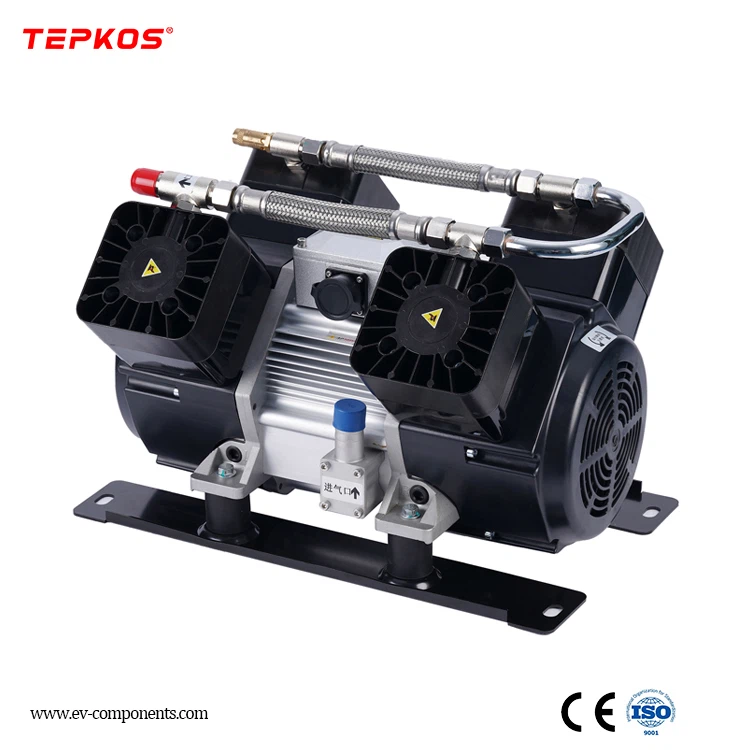
For example, if you're using an Electric Oil Free Air Compressor in a small, stuffy shed with no proper ventilation, the heat has nowhere to go. The compressor is like a person running a marathon in a sauna - it's bound to overheat.
To fix this, make sure the compressor is placed in a well - ventilated area. There should be at least a few feet of clearance on all sides to allow air to flow freely. If possible, use fans to improve air circulation around the compressor. And avoid placing it near heat sources like furnaces or direct sunlight.
2. Overworking the Compressor
Another major culprit is overworking. Sometimes, people expect the compressor to do more than it's designed for. If you're constantly using it at maximum capacity for long periods, it's going to heat up like crazy.
Let's say you've got an Oil Free Piston Air Compressor. These compressors have a duty cycle, which is the percentage of time they can operate in a given period. For example, a 50% duty cycle means the compressor can run for half of an hour and then needs to rest for the other half. If you ignore this and keep it running non - stop, it'll overheat.
Check the manufacturer's specifications for your compressor's duty cycle. Plan your usage accordingly and give the compressor enough time to cool down between tasks. If you need continuous air supply, you might want to consider upgrading to a larger or more powerful model.
3. Faulty Cooling System
The cooling system of an oil free air compressor is crucial. It includes components like cooling fins and fans. If these are dirty or damaged, the compressor won't be able to cool itself effectively.
The cooling fins on the compressor are designed to increase the surface area for heat dissipation. But if they're clogged with dust, dirt, or debris, it's like putting a blanket on a radiator. The heat can't escape. So, regularly inspect and clean the cooling fins. You can use a soft brush or compressed air to blow away the dirt.
The fan is also important. It helps to draw in cool air and expel hot air. If the fan is not working properly, maybe due to a broken motor or a loose belt, the airflow will be restricted. Check the fan regularly and replace any faulty parts. You can find a lot of information about the motor on the Oil Less Air Compressor Motor page.
4. Worn - Out Components
As the compressor ages, some of its components can wear out. Worn pistons, valves, or bearings can cause increased friction, which in turn generates more heat.
Take pistons, for example. If the piston rings are worn, air can leak past them, and the compressor has to work harder to build up pressure. This extra work creates more heat. Regular maintenance and inspection are key here. Look out for signs of wear and tear, such as strange noises or reduced performance. Replace any worn - out parts as soon as possible to prevent overheating.
5. Incorrect Belt Tension
If your compressor has a belt - driven system, the belt tension is important. If the belt is too loose, it can slip, causing the motor to work harder and generate more heat. On the other hand, if the belt is too tight, it puts extra stress on the motor and bearings, also leading to overheating.
You should check the belt tension regularly according to the manufacturer's recommendations. Adjust the tension if necessary. A proper belt tension ensures smooth operation and efficient power transmission, keeping the compressor from overheating.
6. Electrical Issues
Electrical problems can also contribute to overheating. For instance, if the voltage supplied to the compressor is too high or too low, it can cause the motor to malfunction. A low voltage can make the motor draw more current, leading to increased heat generation.
Make sure the electrical supply to the compressor is stable and within the recommended voltage range. Use a voltage meter to check the voltage regularly. If you notice any electrical issues, it's best to consult a professional electrician.
Solutions and Preventive Measures
Now that we've covered the possible causes, let's talk about solutions and preventive measures.
- Regular Maintenance: This is the most important thing. Clean the compressor regularly, check the components for wear and tear, and replace faulty parts as needed.
- Proper Usage: Respect the compressor's duty cycle and don't overwork it. Use it within its designed capacity.
- Monitor Temperature: Install a temperature monitoring device if possible. This way, you can catch any overheating issues early and take action.
- Improve Ventilation: As mentioned earlier, ensure good ventilation around the compressor.
If you're still having problems with your oil free air compressor overheating after trying these solutions, don't hesitate to reach out. We're here to help you figure things out. Whether you need technical advice, replacement parts, or are looking to purchase a new compressor, we're your go - to source.

Contact us for a detailed discussion about your specific needs, and let's work together to find the best solution for you. Our team of experts is ready to assist you in making the right choices for your business or personal use. Don't let overheating issues slow you down - let's get your compressor running smoothly again.
References
- Compressor Handbook, Industry Standards Publication
- Manufacturer's Manuals for Oil Free Air Compressors