

As a trusted supplier of AVAS automotive products, I often encounter questions from customers and industry enthusiasts about the impact of our products on vehicle emissions. In this blog post, I'll delve into the science behind AVAS systems and their relationship with vehicle emissions, backed by scientific research and industry knowledge.
Understanding AVAS Automotive Products
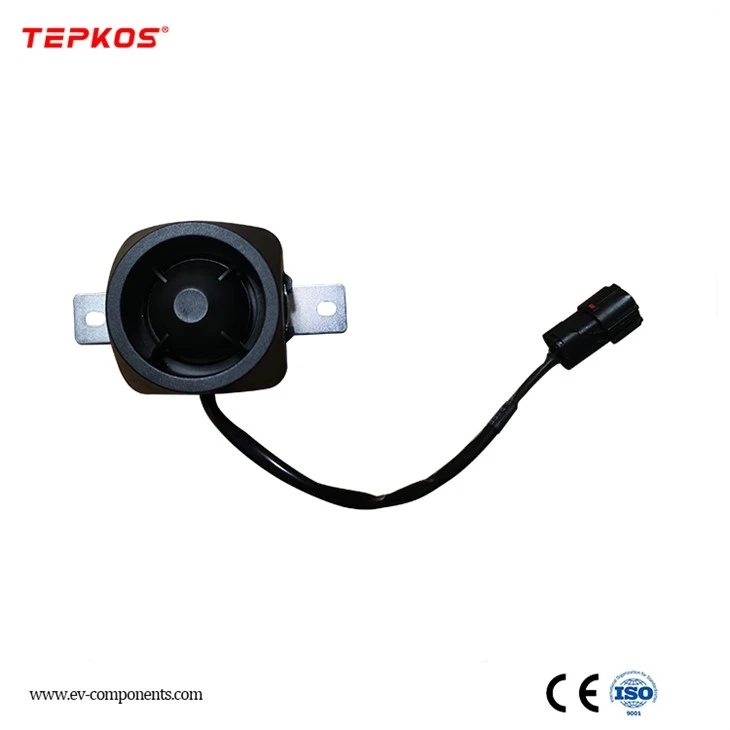
AVAS, or Acoustic Vehicle Alerting System, is a crucial safety feature designed to make electric and hybrid vehicles more audible to pedestrians, cyclists, and other road users. These vehicles are often quieter than traditional internal combustion engine (ICE) vehicles, especially at low speeds, which can pose a safety risk. AVAS systems emit artificial sounds to alert others of the vehicle's presence, enhancing overall road safety.
Our AVAS automotive products are engineered to meet strict international standards, such as the EU's Regulation (EU) 2019/2144 and the US National Highway Traffic Safety Administration (NHTSA) requirements. These standards ensure that AVAS systems are effective in alerting pedestrians while maintaining a reasonable noise level.
The Direct Impact on Vehicle Emissions
On a direct level, AVAS systems have a negligible impact on vehicle emissions. The power consumption of an AVAS system is extremely low compared to the overall energy requirements of a vehicle. Most AVAS systems draw only a few watts of power, which is a tiny fraction of the energy used by the vehicle's propulsion system, lighting, and other electrical components.
For example, an electric vehicle with a 60 kWh battery pack and an AVAS system that consumes 5 watts of power would use approximately 0.005 kWh of energy per hour. Even if the AVAS system were to run continuously for an entire day (24 hours), it would consume only 0.12 kWh of energy, which is less than 0.2% of the battery pack's capacity.
In terms of emissions, this minimal power consumption translates to an almost imperceptible increase in greenhouse gas emissions for electric vehicles. For hybrid vehicles, the additional power draw from the AVAS system may cause the internal combustion engine to run slightly more often to recharge the battery, but the increase in emissions is still very small.
Indirect Impact on Vehicle Emissions
While the direct impact of AVAS systems on vehicle emissions is minimal, there may be some indirect effects. One potential indirect impact is related to vehicle performance and efficiency.
Some studies suggest that the additional weight and power consumption of AVAS systems could slightly reduce a vehicle's range and efficiency. However, modern AVAS systems are designed to be lightweight and energy-efficient, minimizing this effect. Additionally, vehicle manufacturers are constantly improving the efficiency of their vehicles, and any small reduction in range or efficiency due to the AVAS system is likely to be offset by other technological advancements.
Another potential indirect impact is related to driver behavior. The presence of an AVAS system may make drivers more aware of their vehicle's surroundings, which could lead to more cautious driving. Cautious driving, such as avoiding sudden acceleration and braking, can improve fuel efficiency and reduce emissions.
Scientific Research and Industry Standards
Numerous scientific studies have been conducted to evaluate the impact of AVAS systems on vehicle emissions. These studies generally conclude that the impact is minimal and within acceptable limits.
For example, a study published in the Journal of Cleaner Production found that the addition of an Acoustic Vehicle Alert System to an electric vehicle had a negligible effect on energy consumption and greenhouse gas emissions. The study also noted that the safety benefits of AVAS systems far outweigh any potential increase in emissions.
In addition to scientific research, industry standards and regulations play an important role in ensuring that AVAS systems have a minimal impact on vehicle emissions. As mentioned earlier, the EU and the US have established strict standards for AVAS systems, which include requirements for energy efficiency and noise levels. These standards help to ensure that AVAS systems are designed and manufactured in a way that minimizes their impact on the environment.
Conclusion
In conclusion, AVAS automotive products have a negligible direct impact on vehicle emissions. The power consumption of AVAS systems is extremely low, and any potential indirect effects on vehicle performance and efficiency are also minimal. The safety benefits of AVAS systems, such as reducing the risk of accidents involving pedestrians and cyclists, far outweigh any potential increase in emissions.
As a leading supplier of AVAS automotive products, we are committed to providing high-quality, energy-efficient, and environmentally friendly solutions. Our products are designed to meet the strictest international standards and are backed by extensive research and development.
If you are interested in learning more about our AVAS automotive products or are considering a purchase, we invite you to contact us for a detailed discussion. We look forward to the opportunity to work with you and help you find the best AVAS solution for your vehicles.

References
- Journal of Cleaner Production - Study on the impact of AVAS systems on electric vehicle emissions
- EU Regulation (EU) 2019/2144 - Requirements for AVAS systems in Europe
- US National Highway Traffic Safety Administration (NHTSA) - Regulations for AVAS systems in the United States