

Hey there! As a supplier of electric car axles, I've been getting a lot of questions about the packaging requirements for transporting these crucial components. So, I thought I'd share some insights on what it takes to ensure your electric car axles arrive at their destination in top - notch condition.
First off, let's talk about why proper packaging is so important. Electric car axles are high - tech and delicate pieces of machinery. They're not just simple metal rods; they house complex electrical systems, precision gears, and bearings. During transportation, they're exposed to all sorts of hazards like vibrations, shocks, and environmental factors. If they're not packaged correctly, these axles can get damaged, which not only costs you money but also delays the production process for your customers.
Material Selection for Packaging
The choice of packaging materials is the first step in protecting your electric car axles. I usually recommend using a combination of materials to provide multiple layers of protection.
Foam and Cushioning
Foam is a great starting point. It can absorb shocks and vibrations during transit. You can use high - density foam that conforms to the shape of the axle. This not only holds the axle in place but also protects it from impacts. For example, if the truck hits a pothole or there's a sudden stop, the foam will take the brunt of the force and prevent the axle from getting jostled around.
Cardboard and Wood
Cardboard boxes are a common choice for packaging. They're lightweight, easy to handle, and can be customized to fit the axle. However, for added strength, you can use wooden crates. Wood is more durable and can withstand rough handling. It also provides better protection against external forces. If you're shipping overseas, wooden crates are often a must - have as they can better endure the long - distance journey and the rigors of sea freight.
Plastic Wrapping
Plastic wrapping is another essential material. It can protect the axle from moisture, dust, and other environmental contaminants. You can use shrink - wrap to tightly seal the axle, creating a barrier against any potential damage. This is especially important if the axles are being stored in a warehouse before shipping or if they're going to be exposed to the elements during transit.
Custom - Fit Packaging
One - size - fits - all doesn't work when it comes to packaging electric car axles. Each axle has its own unique shape and size, so custom - fit packaging is crucial.
We at our company take the time to measure each axle precisely and design a packaging solution that fits like a glove. This not only provides better protection but also reduces the amount of wasted space in the packaging. When the axle is snugly fit in its package, there's less room for it to move around, which means fewer chances of damage.
Labeling and Documentation
Proper labeling is just as important as the packaging itself. You need to clearly label the package with information such as the product name, model number, weight, and handling instructions. This helps the shipping company handle the package correctly and ensures that the recipient knows what's inside.
Documentation is also key. You should include a packing list that details the contents of the package, as well as any warranty information or technical specifications. This helps the customer verify that they've received the correct product and can refer to the documentation if they have any questions.
Environmental Considerations
In today's world, we also need to think about the environmental impact of our packaging. We're constantly looking for ways to reduce waste and use more sustainable materials. For example, we're exploring the use of biodegradable foam and recycled cardboard. These materials not only protect the axles but also help us do our part for the environment.
Different Types of Axles and Their Packaging
Let's take a look at some different types of electric car axles and how their packaging might vary.
E Bus Axle
The E Bus Axle is larger and heavier than a regular car axle. It requires more robust packaging. We usually use heavy - duty wooden crates with extra padding to support its weight. The crate is also designed to be forklift - friendly, making it easier to load and unload.
EV Axle
The EV Axle is more compact but still requires careful packaging. We use a combination of foam and cardboard boxes to protect it. The foam is cut to fit the shape of the axle, and the cardboard box provides an outer layer of protection.
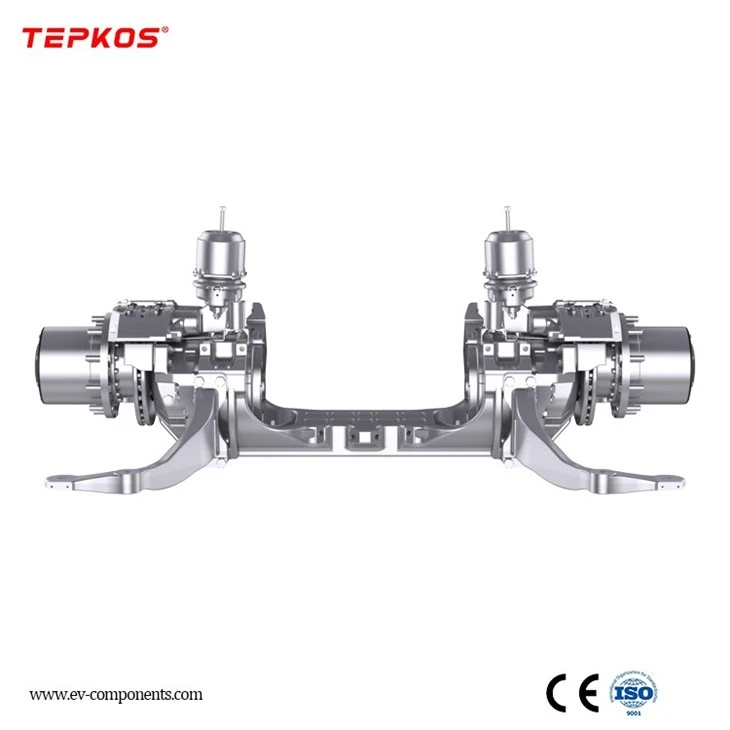
Axle With Electric Motor
The Axle With Electric Motor is a more complex component. It has electrical parts that need to be protected from static electricity and moisture. We use anti - static bags and moisture - resistant packaging materials to ensure the motor and other electrical components are safe during transit.

Handling and Storage
Once the axles are packaged, proper handling and storage are also important. During loading and unloading, it's crucial to use the right equipment and follow the correct procedures. For example, using a forklift with the right attachments can prevent damage to the package.
When it comes to storage, the axles should be kept in a dry, clean environment. If they're stored for an extended period, they should be inspected regularly to ensure there's no damage or corrosion.
Conclusion
In conclusion, packaging electric car axles for transportation is a multi - step process that requires careful planning and attention to detail. From choosing the right materials to custom - fitting the packaging, every step is crucial in ensuring the axles arrive in perfect condition.
If you're in the market for high - quality electric car axles and want to learn more about our packaging solutions, don't hesitate to reach out. We're here to help you with all your electric car axle needs and ensure a smooth and hassle - free purchasing experience. Let's start a conversation and see how we can work together to meet your requirements.
References
- Industry standards for electric vehicle component packaging
- Internal research and experience from our company's operations