

An oil free air compressor is a valuable asset in various industries, known for its ability to deliver clean, oil - free compressed air. As a supplier of oil free air compressors, I understand the importance of proper maintenance to ensure the longevity and efficient operation of these machines. In this blog, I will discuss the essential maintenance requirements for an oil free air compressor.
Daily Maintenance
Daily maintenance is the first line of defense in keeping your oil free air compressor in top condition.
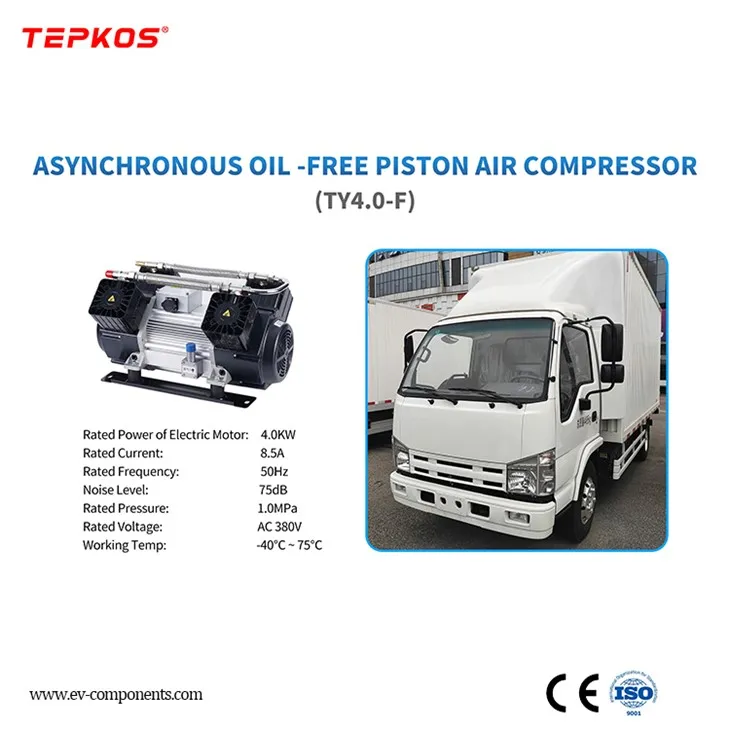
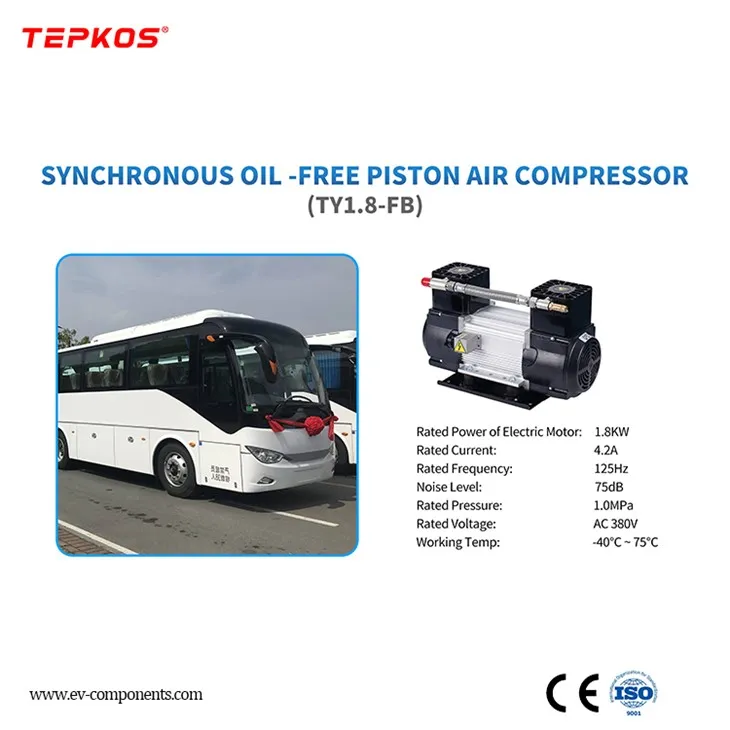
Visual Inspection
Before starting the compressor each day, conduct a visual inspection. Check for any signs of physical damage such as cracks in the housing, loose fittings, or frayed wires. Inspect the intake filters. A clogged intake filter can restrict the airflow, causing the compressor to work harder and potentially overheat. If the filter appears dirty, it may need to be cleaned or replaced.
Check Oil Levels (if applicable)
Although it is an oil free air compressor, some models may have a small amount of oil for certain components like bearings. Check the oil levels in these areas according to the manufacturer's instructions. If the oil is low, add the recommended type of oil carefully. Make sure to use only the oil specified by the manufacturer to avoid any compatibility issues.
Listen for Unusual Noises
When the compressor is running, listen for any unusual noises such as rattling, grinding, or squealing. These noises can indicate a problem with the internal components, such as a loose belt, worn - out bearings, or a malfunctioning valve. If you hear any abnormal sounds, stop the compressor immediately and investigate the cause.
Weekly Maintenance
Weekly maintenance tasks are slightly more in - depth and help to catch potential issues before they become major problems.
Drain the Moisture Trap
Compressed air contains moisture, which can accumulate in the moisture trap. Excess moisture can cause corrosion in the compressor and downstream equipment. Locate the moisture trap, which is usually at the bottom of the air receiver tank, and open the drain valve to release the trapped water. Make sure to drain the moisture trap completely and then close the valve tightly.
Inspect the Belt Tension
If your oil free air compressor is belt - driven, check the belt tension. A loose belt can slip, reducing the efficiency of the compressor, while an overly tight belt can cause excessive wear on the bearings and belt itself. Use a belt tension gauge to measure the tension and adjust it according to the manufacturer's specifications. If the belt shows signs of wear, such as cracks or fraying, replace it promptly.
Monthly Maintenance
Monthly maintenance tasks focus on more comprehensive checks and component servicing.
Clean or Replace the Air Filters
The air filters play a crucial role in preventing dirt and debris from entering the compressor. Over time, these filters can become clogged, reducing the airflow and increasing the energy consumption of the compressor. Depending on the operating environment, clean or replace the air filters monthly. For some types of filters, you can use compressed air to blow out the dirt, while others may need to be replaced entirely.
Check the Valve Function
The valves in the compressor, such as the intake and discharge valves, are essential for proper operation. Inspect the valves for any signs of damage or wear. A faulty valve can cause the compressor to lose pressure, operate inefficiently, or even fail to start. If you suspect a valve problem, it is advisable to have a professional technician test and, if necessary, replace the valves.
Quarterly Maintenance
Quarterly maintenance is a more detailed inspection that involves checking and servicing several key components.
Lubricate Moving Parts (if applicable)
Even though it is an oil free air compressor, there may be some moving parts that require lubrication. Refer to the manufacturer's manual to identify these parts and use the appropriate lubricant. Lubrication helps to reduce friction, prevent wear, and extend the lifespan of the components.
Check the Electrical Connections
Inspect all the electrical connections in the compressor, including the wiring, terminals, and switches. Loose or corroded electrical connections can cause electrical problems, such as short circuits or power outages. Tighten any loose connections and clean any corroded terminals using a wire brush and electrical contact cleaner.
Annual Maintenance
Annual maintenance is a major overhaul that ensures the long - term reliability of the oil free air compressor.
Replace the Air and Oil Filters (if applicable)
Even if the filters have been cleaned regularly, it is recommended to replace them annually. New filters will provide better filtration and improve the overall performance of the compressor.
Have a Professional Inspection
Schedule a professional inspection of the compressor by a qualified technician. The technician will perform a comprehensive check of all the components, including the motor, valves, pistons, and cylinders. They can also use specialized tools to test the compressor's performance and identify any potential issues that may not be visible during regular maintenance.
Specific Maintenance for Different Types of Oil Free Air Compressors
Electric Oil Free Air Compressor
Electric Oil Free Air Compressor is widely used due to its energy - efficiency and quiet operation. In addition to the general maintenance tasks mentioned above, pay special attention to the electrical components. Check the motor for proper ventilation to prevent overheating. Ensure that the electrical controls are functioning correctly and that the compressor starts and stops smoothly.
Oil Free Piston Compressor
Oil Free Piston Compressor has pistons that move up and down to compress the air. Inspect the piston rings regularly for wear. Worn piston rings can cause a loss of compression and reduced efficiency. Also, check the cylinder walls for any signs of scoring or damage, as this can affect the performance of the compressor.
Oil Less Piston Compressor
Oil Less Piston Compressor is similar to the oil free piston compressor but emphasizes the absence of oil in the compression process. Make sure to keep the piston and cylinder clean to prevent any debris from causing damage. Regularly check the sealing gaskets to ensure that there are no air leaks.
Importance of Proper Maintenance
Proper maintenance of an oil free air compressor offers several benefits. Firstly, it ensures the reliability of the compressor. A well - maintained compressor is less likely to break down, reducing downtime and increasing productivity. Secondly, it improves the efficiency of the compressor. A clean and properly functioning compressor consumes less energy, which can lead to significant cost savings in the long run. Thirdly, it extends the lifespan of the compressor. By taking care of the components and addressing issues promptly, you can avoid premature wear and tear and get more years of service from your compressor.
Contact for Purchase and Maintenance Consultation
If you are in the market for an oil free air compressor or need more information about maintenance, feel free to contact us. Our team of experts can provide you with detailed product information, maintenance tips, and assist you in choosing the right compressor for your specific needs. Whether you are a small business or a large industrial operation, we have the solution for you.
References
- Compressed Air and Gas Institute (CAGI). Compressed Air System Handbook.
- Manufacturer's manuals for oil free air compressors.