

In the complex ecosystem of a truck, the Truck Body Control Module (TBCM) plays a pivotal role in ensuring seamless operation and efficient communication between various components. As a leading supplier of Truck Body Control Modules, we have witnessed firsthand the intricate web of interactions that occur within a truck's electrical system. In this blog post, we will delve into the fascinating world of how a TBCM communicates with other components, exploring the technologies, protocols, and processes involved.
Understanding the Truck Body Control Module
Before we dive into the communication mechanisms, let's first understand what a Truck Body Control Module is. The TBCM is essentially the brain of a truck's body electrical system. It is responsible for controlling and managing a wide range of functions, including lighting systems (headlights, taillights, interior lights), power windows, door locks, wipers, and more. By integrating these functions into a single module, the TBCM simplifies the electrical architecture of the truck, reduces wiring complexity, and enhances overall reliability.
Communication Protocols
The TBCM communicates with other components in the truck using various communication protocols. These protocols define the rules and standards for data transmission, ensuring that information is exchanged accurately and efficiently. Some of the most commonly used protocols in truck electrical systems include:
Controller Area Network (CAN)
CAN is one of the most widely used communication protocols in the automotive industry, including trucks. It is a serial communication protocol that allows multiple electronic control units (ECUs) to communicate with each other over a single pair of wires. The CAN protocol uses a message-based approach, where each message contains a unique identifier and a data payload. This allows different ECUs to filter and receive only the messages that are relevant to them.
The TBCM uses the CAN protocol to communicate with other ECUs in the truck, such as the engine control module (ECM), transmission control module (TCM), and anti-lock braking system (ABS) module. For example, when the driver turns on the headlights, the TBCM sends a CAN message to the lighting control module, instructing it to activate the headlights. The lighting control module then responds with a confirmation message, indicating that the headlights have been successfully activated.
Local Interconnect Network (LIN)
LIN is a low-cost, single-master, multiple-slave communication protocol that is commonly used for communicating with less critical components in the truck, such as door modules, seat modules, and climate control modules. Unlike CAN, which is a high-speed protocol, LIN operates at a much lower speed, typically between 1 and 20 kbps.
The TBCM acts as the master node in the LIN network, sending commands and receiving data from the slave nodes. For example, when the driver adjusts the seat position, the TBCM sends a LIN message to the seat control module, instructing it to move the seat to the desired position. The seat control module then responds with a confirmation message, indicating that the seat has been successfully adjusted.
FlexRay
FlexRay is a high-speed, deterministic communication protocol that is designed for applications that require high bandwidth and low latency, such as advanced driver assistance systems (ADAS) and in-vehicle infotainment systems. FlexRay uses a time-triggered communication approach, where messages are sent at predefined intervals, ensuring predictable and reliable data transmission.
Although FlexRay is not as widely used in trucks as CAN and LIN, it is becoming increasingly popular for applications that require high-speed communication, such as autonomous driving. The TBCM may use the FlexRay protocol to communicate with other components in the truck, such as the ADAS control module, to exchange real-time data and ensure coordinated operation.
Communication Channels
In addition to the communication protocols, the TBCM also uses various communication channels to transmit and receive data. These channels can be classified into two main categories: wired and wireless.
Wired Communication
Wired communication is the most common method of communication in trucks, as it provides a reliable and secure connection between the TBCM and other components. The TBCM is typically connected to other ECUs in the truck using a network of wires and connectors. These wires can be classified into different types, depending on their function, such as power wires, ground wires, signal wires, and communication wires.
The communication wires are used to transmit data between the TBCM and other ECUs using the communication protocols described above. For example, the CAN wires are used to transmit CAN messages between the TBCM and other CAN-enabled ECUs, while the LIN wires are used to transmit LIN messages between the TBCM and LIN-enabled slave nodes.
Wireless Communication
Wireless communication is becoming increasingly popular in trucks, as it offers several advantages over wired communication, such as reduced wiring complexity, increased flexibility, and improved reliability. The TBCM can use various wireless technologies, such as Bluetooth, Wi-Fi, and cellular networks, to communicate with other components in the truck or with external devices.
For example, the TBCM can use Bluetooth to communicate with a smartphone or a key fob, allowing the driver to remotely control certain functions of the truck, such as locking and unlocking the doors. The TBCM can also use Wi-Fi to connect to a local network, enabling it to receive software updates and transmit diagnostic data to a remote server.
Data Exchange and Integration
Once the TBCM has established communication with other components in the truck, it can exchange data and integrate information from different sources to perform various functions. For example, the TBCM can receive data from the sensors in the truck, such as the ambient light sensor, rain sensor, and temperature sensor, and use this information to automatically adjust the lighting, wipers, and climate control systems.
The TBCM can also exchange data with other ECUs in the truck to perform more complex functions, such as coordinating the operation of the engine, transmission, and braking systems. For example, when the driver presses the accelerator pedal, the TBCM sends a message to the ECM, indicating the desired engine speed. The ECM then adjusts the fuel injection and ignition timing to achieve the desired speed. At the same time, the TBCM also sends a message to the TCM, instructing it to shift gears if necessary.
Diagnostic and Fault Detection
In addition to its control and communication functions, the TBCM also plays an important role in diagnostic and fault detection. The TBCM continuously monitors the operation of the truck's body electrical system and can detect faults and malfunctions in real-time. When a fault is detected, the TBCM stores a diagnostic trouble code (DTC) in its memory and may also activate a warning light on the dashboard to alert the driver.
The TBCM can also communicate with a diagnostic tool, such as a scan tool or a diagnostic tester, to retrieve the DTCs and other diagnostic information. This allows technicians to quickly identify and troubleshoot problems in the truck's body electrical system, reducing downtime and repair costs.
Conclusion
In conclusion, the Truck Body Control Module is a critical component in a truck's electrical system, responsible for controlling and managing a wide range of functions and communicating with other components in the truck. By using various communication protocols, channels, and technologies, the TBCM ensures seamless operation and efficient data exchange between different parts of the truck.
As a leading supplier of Truck Body Control Modules, we are committed to providing high-quality, reliable, and innovative solutions to our customers. Our TBCMs are designed to meet the demanding requirements of the trucking industry, offering advanced features and functionality to enhance the performance and safety of trucks.

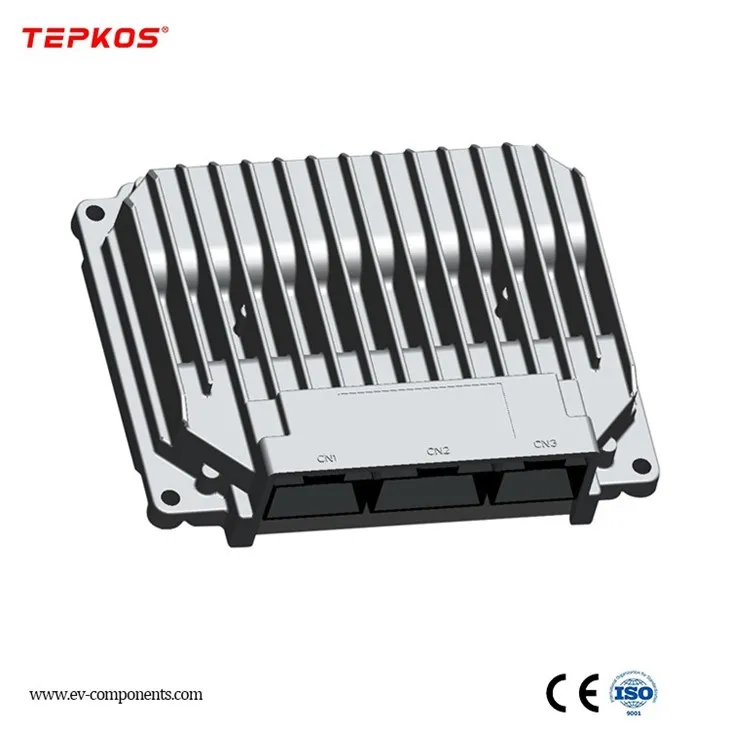
If you are interested in learning more about our Truck Body Control Modules or Auto Body Control Module and Bcm Auto Parts, or if you have any questions or requirements, please feel free to contact us. We look forward to the opportunity to discuss your needs and provide you with the best solutions for your trucking applications.
References
- SAE International. (2018). SAE J1939-21: Network Layer Services.
- ISO International Organization for Standardization. (2003). ISO 11898-1: Road vehicles - Controller area network (CAN) - Part 1: Data link layer and physical signalling.
- Bosch. (2007). Automotive Handbook. 6th Edition.