

As a reputable body control module (BCM) supplier, I've witnessed firsthand the critical role these components play in modern vehicle systems, especially when it comes to managing the alarm system. In this blog, I'll delve into how the body control module deals with the alarm system, exploring the technical aspects, functions, and the importance of a well - integrated BCM in ensuring vehicle security.
The Basics of a Body Control Module
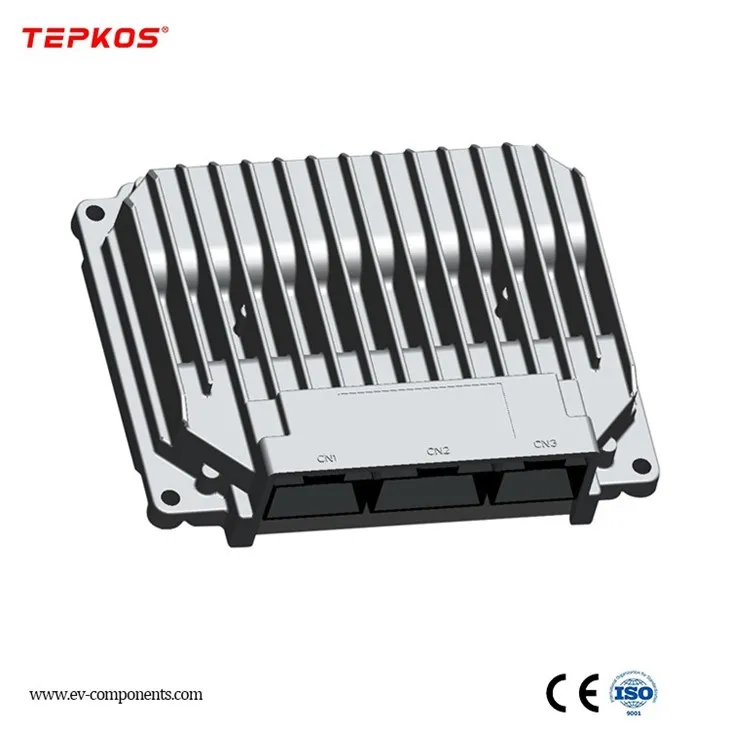
A body control module is essentially the nerve center of a vehicle's electrical system. It manages and controls a wide range of functions, from power windows and door locks to interior lighting and the alarm system. The BCM acts as an interface between various sensors, actuators, and other control units in the vehicle. It receives input signals from different sources, processes this information, and then sends appropriate output signals to activate or deactivate specific functions.

Modern vehicles are equipped with a plethora of sensors that detect various conditions. For example, door ajar sensors, window sensors, and motion sensors are commonly used in alarm systems. These sensors continuously monitor the state of the vehicle's doors, windows, and interior space. When a sensor detects an abnormal condition, such as an unauthorized entry attempt, it sends a signal to the BCM.
How the BCM Receives Alarm - Related Signals
The BCM is designed to communicate with multiple sensors through a network of electrical circuits. Most modern vehicles use a Controller Area Network (CAN) bus, which is a robust and efficient communication protocol. Sensors send digital signals over the CAN bus to the BCM. These signals are in the form of specific codes that represent different events or conditions.
For instance, a door ajar sensor will send a unique code to the BCM when it detects that a door has been opened without proper authorization. The BCM is programmed to recognize these codes and interpret them correctly. Once the BCM receives an alarm - related signal, it initiates a series of actions based on its pre - programmed logic.
Processing Alarm Signals
Upon receiving an alarm signal, the BCM first verifies the authenticity of the signal. It checks if the signal is within the expected range and if it corresponds to a valid alarm event. This verification process helps prevent false alarms, which can be a nuisance to vehicle owners and potentially drain the vehicle's battery.
The BCM then analyzes the nature of the alarm. Is it a door breach, a window breakage, or an interior motion detection? Based on this analysis, the BCM decides on the appropriate response. Different types of alarms may trigger different levels of response. For example, a minor intrusion, such as a slightly ajar door, may trigger a less intense alarm compared to a forceful window breakage.
Activating the Alarm System
Once the BCM has processed the alarm signal and determined that an actual security threat exists, it activates the alarm system. The alarm system typically consists of a siren, horn, and sometimes interior and exterior lighting. The BCM sends control signals to the appropriate actuators to initiate these components.
The siren or horn is one of the most prominent features of an alarm system. The BCM sends a high - voltage signal to the siren or horn relay, which in turn activates the siren or horn. The BCM can control the duration and intensity of the sound. It may start with a short, sharp blast to alert nearby people and then continue with a continuous, loud sound to deter the intruder.
In addition to the audible alarm, the BCM may also activate the vehicle's interior and exterior lighting. Flashing lights can be an effective visual deterrent. The BCM sends signals to the lighting control circuits, causing the headlights, taillights, and interior dome lights to flash on and off rapidly.
Communicating with Other Vehicle Systems
The BCM doesn't operate in isolation when dealing with the alarm system. It also communicates with other vehicle systems to enhance security. For example, it may communicate with the engine control module (ECM) to immobilize the vehicle. When an alarm is triggered, the BCM can send a signal to the ECM to prevent the engine from starting. This immobilization feature adds an extra layer of security, making it more difficult for thieves to drive away with the vehicle.
The BCM may also communicate with the vehicle's central locking system. In the event of an alarm, the BCM can lock all the doors to prevent the intruder from entering or exiting the vehicle easily. This is especially useful in cases where the intruder has managed to open a door but has not yet gained full access to the vehicle.
Integration with Remote Keyless Entry Systems
Many modern vehicles are equipped with remote keyless entry systems. The BCM plays a crucial role in integrating the alarm system with these remote systems. When the vehicle owner uses the remote key fob to arm or disarm the alarm system, the key fob sends a radio frequency (RF) signal to the BCM.
The BCM verifies the authenticity of the RF signal using a unique encryption key. If the signal is valid, the BCM will either arm or disarm the alarm system accordingly. When the alarm is armed, the BCM starts monitoring the sensors for any unauthorized activity. When the alarm is disarmed, the BCM stops the alarm - monitoring process and allows normal vehicle operation.
Importance of a Reliable BCM in the Alarm System
A reliable body control module is essential for the proper functioning of the alarm system. A faulty BCM can lead to a variety of problems, including false alarms, non - functioning alarms, or improper communication with other vehicle systems.
False alarms can be a major issue. They not only annoy the vehicle owner but can also lead to complaints from neighbors and potentially fines in some areas. A well - designed BCM with accurate signal processing and verification capabilities can significantly reduce the occurrence of false alarms.
On the other hand, a non - functioning alarm due to a faulty BCM can leave the vehicle vulnerable to theft. The alarm system is one of the primary security features of a vehicle, and if it fails to operate correctly, the vehicle is at a higher risk of being stolen.
Our Role as a BCM Supplier
As a [your position] at a BCM supplier, we understand the importance of delivering high - quality BCMs that are specifically designed to handle alarm systems effectively. Our BCMs are engineered with the latest technology and undergo rigorous testing to ensure reliability and performance.
We offer a wide range of BCMs for different types of vehicles, including cars, trucks, and SUVs. Our Auto Body Control Module is designed for passenger cars, providing seamless integration with the vehicle's alarm system and other electrical components. Our Bcm Auto Parts are of the highest quality, ensuring long - term durability and optimal performance. And for commercial vehicles, our Truck Body Control Module is built to withstand the harsh operating conditions of trucks and other heavy - duty vehicles.
Contact Us for Your BCM Needs
If you're in the market for a reliable body control module for your vehicle's alarm system or other electrical functions, we're here to help. Our team of experts can provide you with detailed information about our products, assist you in selecting the right BCM for your specific needs, and offer technical support throughout the installation and operation process. Contact us today to start a discussion about your BCM requirements and explore how our products can enhance the security and functionality of your vehicles.
References
- "Automotive Electrical and Electronic Systems" by William H. Crouse and Donald L. Anglin
- "Vehicle Electronics: A Guide to Automotive Electronics and Control Systems" by Graham A. Crolla