

As a supplier of Electric Rear Axles, I am excited to delve into the numerous advantages that these innovative components bring to the automotive and transportation sectors. Electric rear axles are at the forefront of the shift towards sustainable and efficient mobility solutions, offering a range of benefits that make them an attractive choice for vehicle manufacturers and operators alike.
Enhanced Efficiency
One of the primary advantages of an electric rear axle is its superior efficiency. Traditional internal combustion engines suffer from significant energy losses during the conversion of fuel into mechanical energy. In contrast, electric motors used in rear axles can convert a much higher percentage of electrical energy into mechanical power. This efficiency translates into better fuel economy for hybrid vehicles and longer driving ranges for fully electric vehicles.
For instance, in electric cars, the electric rear axle can be precisely controlled to deliver the right amount of power needed for acceleration, cruising, or deceleration. Regenerative braking systems, often integrated with electric rear axles, further enhance efficiency by capturing kinetic energy during braking and converting it back into electrical energy to recharge the battery. This not only reduces energy waste but also helps to extend the vehicle's battery life.
Improved Performance
Electric rear axles offer exceptional performance capabilities that can transform the driving experience. Unlike traditional axles, electric rear axles can provide instant torque, delivering rapid acceleration and a more responsive driving feel. This instant torque is particularly beneficial in urban driving conditions, where quick acceleration can help drivers navigate through traffic more effectively.
Moreover, electric rear axles can be designed to offer all - wheel drive (AWD) capabilities when paired with a front - driving system. This provides better traction and stability, especially in adverse weather conditions such as rain, snow, or ice. The ability to independently control the power distribution to the rear wheels also allows for more precise handling and cornering, enhancing vehicle safety and driver confidence.
Compact and Lightweight Design
The physical design of electric rear axles presents another advantage. These axles are typically more compact and lightweight compared to traditional mechanical axles. The reduced size and weight contribute to a lower overall vehicle weight, which in turn improves fuel efficiency and handling.
A lighter vehicle requires less energy to accelerate and decelerate, leading to savings in both energy consumption and wear and tear on components such as brakes. The compact design also allows for more flexible packaging within the vehicle, enabling manufacturers to optimize interior space and improve vehicle aerodynamics.
Environmental Sustainability
In an era of increasing environmental awareness, electric rear axles play a crucial role in reducing the carbon footprint of transportation. By eliminating or significantly reducing the reliance on fossil fuels, electric rear axles contribute to lower greenhouse gas emissions. Fully electric vehicles equipped with an electric rear axle produce zero tailpipe emissions, making them an ideal solution for urban areas striving to improve air quality.
Even in hybrid vehicles, the electric rear axle can help to reduce the engine's workload, leading to lower fuel consumption and emissions. As the power grid continues to transition towards renewable energy sources, the environmental benefits of electric rear axles will only become more significant.
Versatility and Adaptability
Electric rear axles are highly versatile and can be adapted to a wide range of vehicle types and applications. From passenger cars and SUVs to commercial vehicles and trams, electric rear axles can be customized to meet the specific power, torque, and performance requirements of each vehicle.
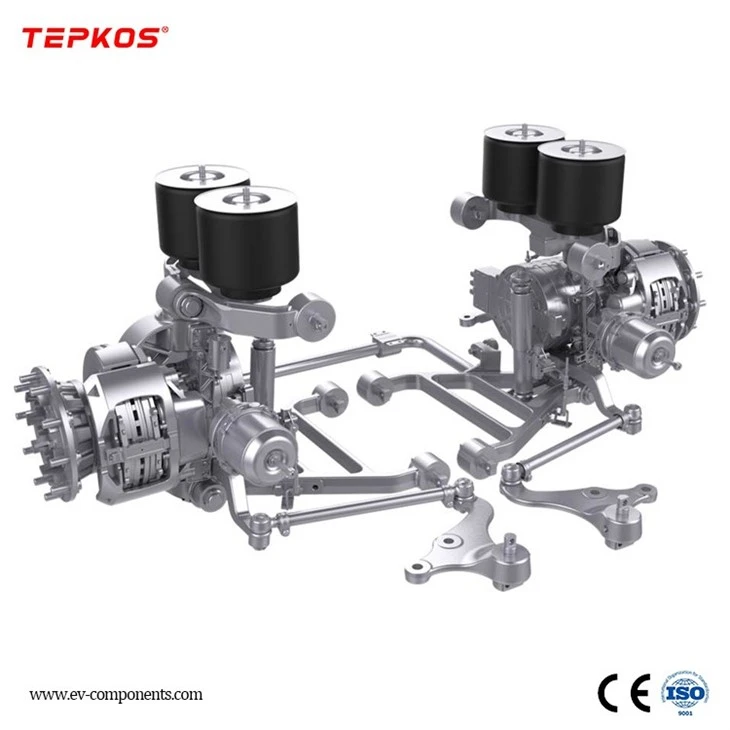
For example, the E Axle System is designed to provide a comprehensive solution for various vehicle platforms. It offers a high - level of integration between the electric motor, gearbox, and power electronics, ensuring reliable and efficient operation. The E Axle For Tram is specifically engineered to meet the unique demands of tram systems, including high - power density and long - term durability. And the Electric Motor Axle provides a compact and efficient solution for smaller vehicles, where space is at a premium.
Cost Savings in the Long Run
Although the initial investment in an electric rear axle may be higher than that of a traditional axle, the long - term cost savings can be substantial. Lower energy consumption means reduced fuel or electricity costs over the vehicle's lifetime. Additionally, electric rear axles have fewer moving parts compared to traditional axles, which results in less maintenance and lower repair costs.
The reduced wear and tear on components also extends the lifespan of the vehicle, providing further cost savings for vehicle owners. As the technology continues to mature and economies of scale are realized, the cost of electric rear axles is expected to decrease, making them an even more cost - effective option in the future.
Quiet Operation
Another notable advantage of electric rear axles is their quiet operation. Unlike internal combustion engines, which produce significant noise and vibration, electric motors operate silently. This quietness enhances the comfort of the vehicle interior, reducing driver and passenger fatigue on long trips.
In addition, the quiet operation of electric vehicles equipped with electric rear axles is beneficial for urban environments, as it helps to reduce noise pollution. This makes electric vehicles a more attractive option for areas where noise regulations are strict or where residents value a quiet living environment.
Integration with Advanced Technologies
Electric rear axles are well - suited for integration with advanced automotive technologies. For example, they can be easily connected to vehicle control units (VCUs) and other electronic systems, enabling features such as traction control, stability control, and autonomous driving functions.
The ability to communicate and interact with other vehicle systems allows for more intelligent and efficient operation. For instance, during autonomous driving, the electric rear axle can work in tandem with sensors and cameras to adjust the power distribution to the wheels based on real - time road conditions and traffic information.
Greater Design Flexibility for Manufacturers
Vehicle manufacturers benefit from the design flexibility offered by electric rear axles. The modular nature of these axles allows for easier integration into different vehicle architectures. Manufacturers can choose from a variety of electric rear axle configurations, depending on the specific requirements of their vehicle models.
This flexibility enables manufacturers to quickly adapt to market demands and develop new vehicle concepts. It also opens up opportunities for innovation in vehicle design, such as creating vehicles with unique power - train layouts and improved interior space utilization.
Scalability
Electric rear axle technology is scalable, making it suitable for both small - scale and large - scale production. Whether it's a niche electric vehicle manufacturer or a major automotive group, electric rear axles can be produced in different volumes to meet production requirements.

This scalability not only allows for cost - effective production but also supports the growth of the electric vehicle market. As the demand for electric vehicles continues to rise, suppliers can increase production capacity to meet the needs of the industry.
If you are a vehicle manufacturer or an operator interested in exploring the benefits of electric rear axles for your applications, I invite you to get in touch with us for procurement discussions. Our team of experts is ready to provide you with detailed information, customized solutions, and support throughout the purchasing process.
References
- International Energy Agency. Global EV Outlook.
- Society of Automotive Engineers. Technical papers on electric vehicle powertrains.
- Journal of Electric Power Systems for Vehicles. Various research articles on electric rear axle technology.