

What are the compatibility issues of steering by wire with other vehicle technologies?
As a supplier of steering by wire systems, I've witnessed firsthand the rapid evolution of automotive technologies. Steering by wire, a revolutionary concept that replaces traditional mechanical steering linkages with electronic controls, offers numerous advantages such as enhanced safety, improved fuel efficiency, and greater design flexibility. However, integrating this technology with other vehicle systems presents several compatibility challenges that need to be addressed for seamless operation.
One of the primary compatibility issues lies in the integration with the vehicle's electronic control unit (ECU). The ECU is the brain of the vehicle, responsible for managing various functions such as engine performance, braking, and suspension. Steering by wire systems rely heavily on the ECU to process steering commands and communicate with other components. Ensuring that the steering by wire system can communicate effectively with the ECU is crucial for maintaining proper functionality. Any miscommunication or data transfer issues between the two can lead to steering malfunctions or even safety hazards.
Another significant compatibility challenge is related to the vehicle's power management system. Steering by wire systems require a reliable power source to operate. In modern vehicles, the power management system is designed to distribute electrical power efficiently among various components. Integrating a steering by wire system into this existing power management framework can be complex, as it may require additional power sources or modifications to the existing electrical architecture. Insufficient power supply to the steering by wire system can result in reduced performance or complete failure.
The compatibility of steering by wire with the vehicle's braking system is also a critical concern. In a traditional steering system, the mechanical connection between the steering wheel and the wheels provides a certain level of feedback and control. In a steering by wire system, this mechanical connection is replaced by electronic signals. Ensuring that the steering and braking systems can work together harmoniously is essential for maintaining vehicle stability and safety. For example, during emergency braking, the steering system needs to respond appropriately to prevent skidding or loss of control. Any incompatibility between the steering and braking systems can compromise the overall safety of the vehicle.
Furthermore, the integration of steering by wire with advanced driver assistance systems (ADAS) poses unique challenges. ADAS technologies such as lane-keeping assist, adaptive cruise control, and automatic emergency braking rely on sensors and algorithms to detect and respond to various driving situations. Steering by wire systems need to be able to communicate effectively with these ADAS components to provide coordinated and safe driving assistance. Compatibility issues between the steering by wire system and ADAS can lead to inconsistent or inaccurate steering responses, which can undermine the effectiveness of these safety features.

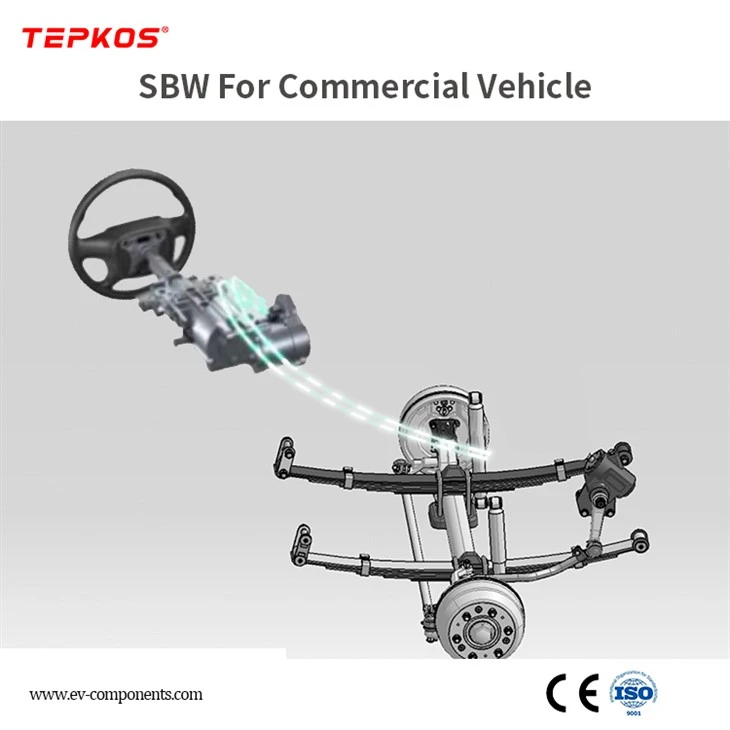
In addition to these technical compatibility issues, there are also regulatory and standards-related challenges. As steering by wire technology is relatively new, there may be a lack of clear regulations and standards governing its integration with other vehicle systems. This can create uncertainty for vehicle manufacturers and suppliers, as they need to ensure that their products comply with existing safety and performance requirements. Working closely with regulatory bodies and industry standards organizations is essential to develop and implement appropriate guidelines for the safe and effective integration of steering by wire technology.
Despite these challenges, the potential benefits of steering by wire technology make it a promising solution for the future of automotive engineering. At [Our Company], we are committed to addressing these compatibility issues through extensive research and development. Our team of experts is constantly working on improving the integration of our Steer By Wire System with other vehicle technologies to ensure seamless operation and enhanced safety.
We offer a range of Drive by Wire Steering System and Drive By Wire Steering Kit solutions that are designed to be highly compatible with various vehicle platforms. Our products undergo rigorous testing and validation to meet the highest industry standards. We also provide comprehensive technical support to our customers to help them overcome any compatibility challenges they may encounter during the integration process.
If you are interested in learning more about our steering by wire solutions or have any questions regarding compatibility with other vehicle technologies, we encourage you to contact us for a detailed discussion. Our team of sales and technical experts is ready to assist you in finding the best solution for your specific needs. Let's work together to drive the future of automotive innovation with reliable and compatible steering by wire technology.
References
- SAE International. (Year). "Steering Systems - Definitions and Requirements."
- ISO Standards. (Year). "Automotive Electrical and Electronic Systems - General Requirements."
- Automotive News. (Year). "The Future of Steering by Wire Technology."
- Society of Automotive Engineers. (Year). "Research on Compatibility of Steering by Wire with Other Vehicle Systems."