


Video Showcase
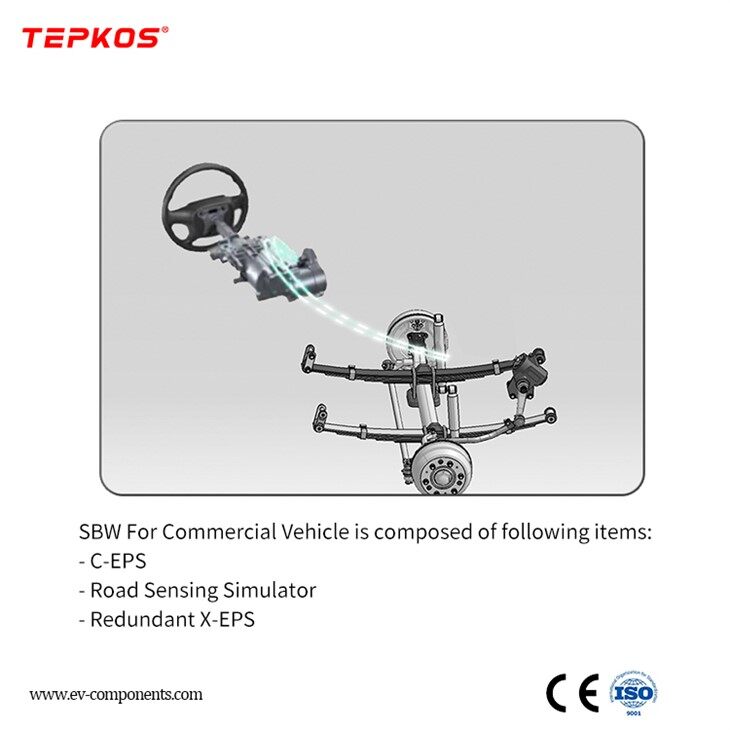
Drive by Wire Steering Kit: Precision Electronic Control for Modern Vehicles
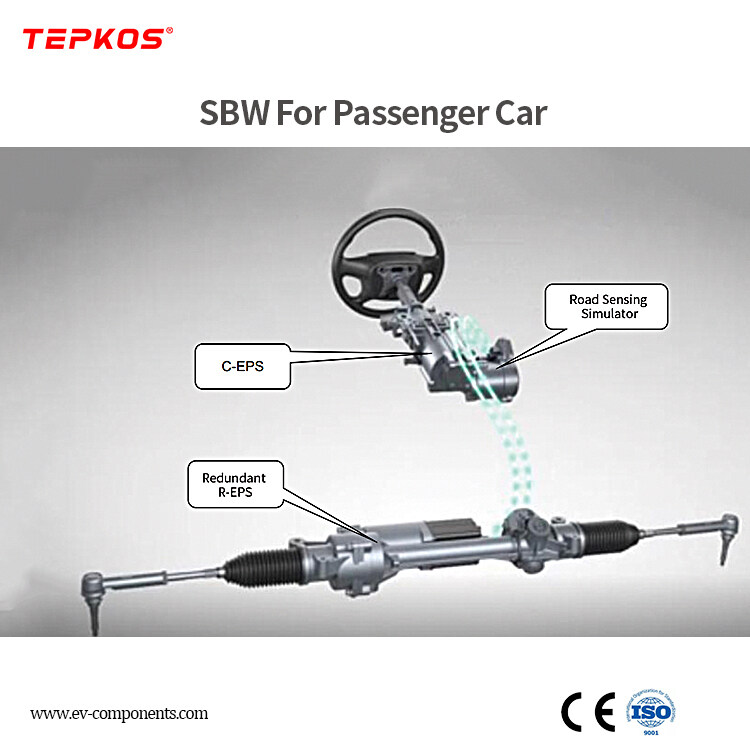
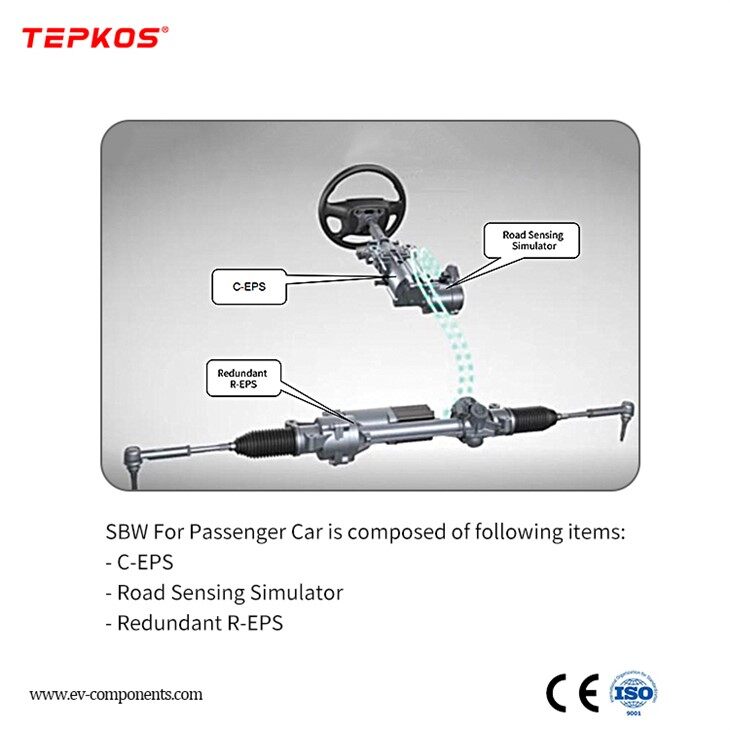
Core Technology: Bidirectional Control Architecture
Position-Force Feedback System
Dual-Sensor Integration:
- Torque sensors (0.1N·m accuracy) capture driver input, while angle sensors (0.5° resolution) monitor steering wheel position.
- Current sensors optimize motor power delivery, ensuring 90% energy efficiency-critical for EV battery preservation.
Bidirectional Control Loop: Processes driver torque and vehicle speed data (via CAN bus) to generate real-time road feedback (e.g., tire grip, road texture) through the steering wheel module, maintaining natural driving feel.

L4 SBW System Design Features
|
Level |
Features |
Functional safety requirements |
Quality system standards |
Vehicle electrical architecture |
Software Architecture |
|
L4 |
Wire-controlled steering + road feel simulation |
ASIL-D |
16949+ASPICE-4+ISO26262 |
Centralized domain controller |
Autosar |
|
Steering control hardware architecture requirements |
|||||
|
Motor |
Main control chip |
Sensor redundancy |
Power Drive |
power supply |
communication |
|
6-phase brushless |
(Function + lock-step core)*2 |
Steering wheel angle*2, motor angle*2 |
Drive circuit redundancy |
Dual power supply |
CAN-FD+CAN |
|
Road Sense Simulation Architecture Requirements |
|||||
|
6-phase brushless |
(Function + lock-step core)*2 |
Torque*4, steering wheel angle*2, motor angle*2 |
Dual drive circuit |
Dual power supply |
CAN-FD+CAN |
System Modules: Engineered for Reliability
Steering Wheel Module
Haptic Feedback Design: Employs brushless motors to simulate road vibrations, with customizable feedback profiles (e.g., sport mode for enhanced resistance).
Redundant Sensors: Dual torque/angle sensors ensure 99.9% fault detection, critical for autonomous driving safety.
SBW System Controller
Real-Time Processing: 32-bit MCU processes 20+ sensor inputs within 50ms, adjusting steering assist based on vehicle dynamics (e.g., reducing assist at high speeds for stability).
CANopen Protocol: Seamlessly integrates with vehicle ECUs for data exchange (steering angle, assist torque).
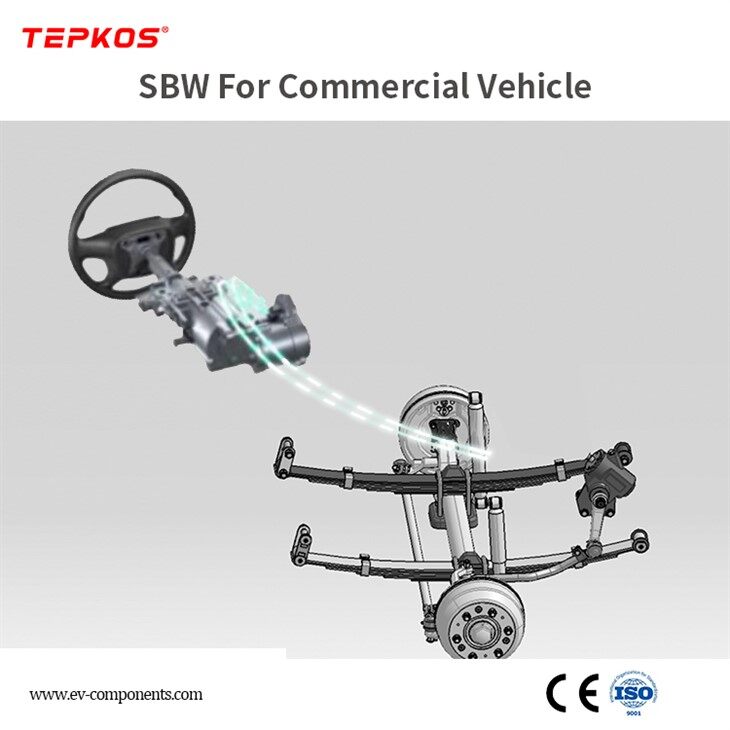
Steering Execution Module
Direct-Actuator Design: Electric motors drive steering knuckles with 1500N·m peak torque, enabling 0.1° precision in wheel orientation-ideal for lane-keeping assist.
IP67 Protection: Dust-tight and water-resistant (1m submersion), reliable in all weather conditions.

Application Advantages for Modern Vehicles
Electric Vehicles (EVs)
Space Optimization: Removes mechanical linkages, freeing 30% more cabin space for battery placement or interior design.
Energy Efficiency: Consumes 40% less power than hydraulic systems, extending EV range by 5–8%.
Intelligent Driving & Autonomous Vehicles
L2+ ADAS Compatibility: Enables millisecond-level response for autonomous features (e.g., automatic lane changing, emergency steering).
Fail-Safe Operation: Redundant power supplies and processors ensure steering control even during single-component failure.

Quality Engineering: Built for Safety
Rigorous Testing Regime
10,000-Cycle Fatigue Test: Simulates 200,000km driving to verify motor and sensor durability.
Thermal Cycling: Operates -40°C to +85°C, ensuring reliability in extreme climates.

Product Qualification
Our drive by wire steering kit meets strict industry standards. It has passed various tests, including performance tests, reliability tests, and safety tests. We have relevant certifications to prove its quality and compliance.

Elevate Vehicle Steering with Electronic Precision
Our drive by wire steering kit redefines steering control for the future of mobility-offering precise, efficient, and safe operation for EVs and intelligent vehicles. Backed by rigorous testing and OEM-friendly design, it's the reliable choice for next-generation vehicle platforms.
Contact us today to explore how our kit can enhance your vehicle's handling and autonomous capabilities-engineered for precision, built for the road ahead.


