

Hey there, automotive enthusiasts! As a supplier of body control modules (BCMs), I get asked a lot about the differences between a body control module and a transmission control module (TCM). These two components play crucial roles in modern vehicles, but they have distinct functions and characteristics. In this blog post, I'll break down the key differences between them to help you better understand how they work and why they're important.
First off, let's talk about what a body control module is. The BCM is like the brain of a vehicle's body electrical system. It controls and manages a wide range of functions related to the vehicle's body, such as the lighting system, power windows, power locks, windshield wipers, and more. It also communicates with other modules in the vehicle to ensure everything works together seamlessly.
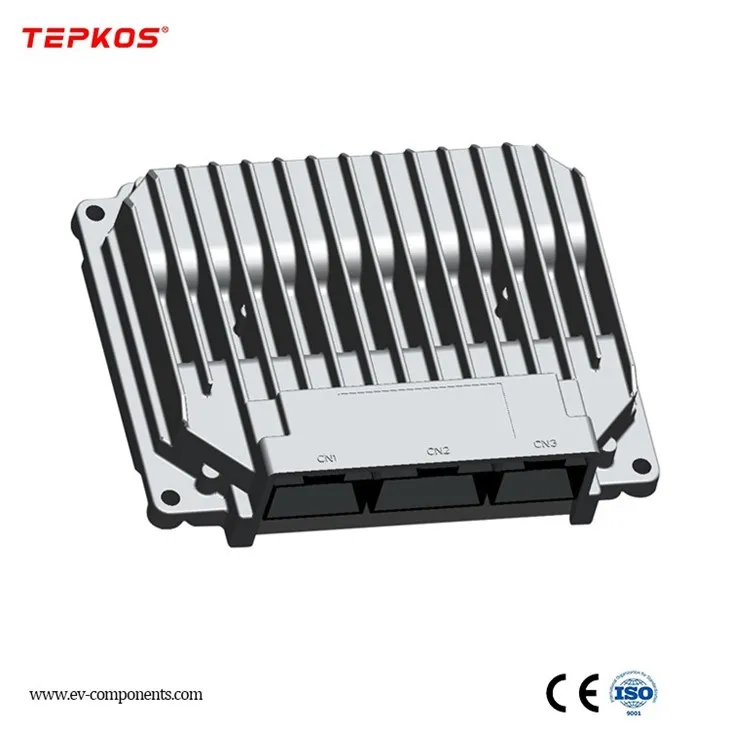
As a BCM supplier, I've seen firsthand how the demand for high - quality BCMs is on the rise. There are different types of BCMs available for various vehicles, and you can check out our Truck Body Control Module and Auto Body Control Module if you're in the market for a replacement or an upgrade.
Now, let's dive into the functions of a BCM in more detail. One of the primary functions of a BCM is to control the lighting system. It can turn the headlights on and off automatically based on the ambient light conditions. For example, when it gets dark outside, the BCM will send a signal to turn on the headlights. It also controls the interior lights, such as the dome light and the map lights. You can set the lights to come on when you open the door or turn them off after a certain period of time to save battery power.
The BCM also manages the power windows and locks. It allows you to open and close the windows with the push of a button. In some vehicles, the BCM even has an anti - pinch feature, which means if an object is detected in the path of the window as it's closing, the BCM will stop the window and reverse its direction to prevent injury. When it comes to the power locks, the BCM enables you to lock and unlock all the doors simultaneously or individually.
Another important function of the BCM is controlling the windshield wipers. It can adjust the speed of the wipers based on how hard it's raining. If it's a light drizzle, the wipers will move at a slower speed, and if it's pouring, they'll speed up. Some advanced BCMs also have a rain - sensing feature that automatically activates the wipers when they detect moisture on the windshield.
On the other hand, a transmission control module is focused on the vehicle's transmission system. The TCM is responsible for monitoring and controlling the transmission's operation. It decides when to shift gears, how to shift gears (smoothly or aggressively), and it also manages the torque converter lock - up.
The TCM uses a variety of sensors to gather information about the vehicle's speed, engine load, throttle position, and other factors. Based on this data, it makes decisions about when to shift gears to optimize performance and fuel efficiency. For example, if you're accelerating hard, the TCM will delay the up - shift to keep the engine in a more powerful RPM range. If you're cruising at a steady speed, the TCM will shift to a higher gear to save fuel.
One of the key differences between a BCM and a TCM is their area of focus. The BCM is all about the vehicle's body functions, while the TCM is centered around the transmission. This means that the components they interact with are also different. The BCM communicates with sensors and actuators related to the body, such as light sensors, window motors, and lock solenoids. The TCM, however, communicates with sensors and actuators in the transmission, like shift solenoids, turbine speed sensors, and throttle position sensors.
Another difference lies in their diagnostic and troubleshooting. When it comes to a faulty BCM, symptoms can include malfunctioning lights, power windows not working, or problems with the keyless entry system. To diagnose a BCM issue, technicians often use scan tools to check for trouble codes stored in the BCM's memory and perform electrical tests on the related circuits.
In the case of a TCM, symptoms of a problem can be things like rough shifting, delayed shifts, or the transmission being stuck in a particular gear. Diagnostic procedures for a TCM usually involve checking the transmission fluid level and condition, using a scan tool to read the TCM's diagnostic trouble codes, and performing electrical tests on the transmission sensors and solenoids.
In terms of replacement, both BCMs and TCMs can be replaced if they malfunction. However, the process for each can differ. Replacing a BCM may involve programming it to match the vehicle's specific configuration, such as the type of lighting system or power window features. This is because the BCM stores information about the vehicle's body functions.
When replacing a TCM, it also needs to be programmed in some cases. The new TCM has to be calibrated to work with the vehicle's engine and transmission combination. This programming ensures that the transmission shifts properly and operates efficiently.
If you're in the automotive repair or aftermarket parts business, or if you're a vehicle owner looking for reliable BCMs, we've got you covered. Our Bcm Auto Parts are designed to meet high - quality standards and are compatible with a wide range of vehicles. Whether you need a BCM for a compact car or a heavy - duty truck, we can provide the right product for your needs.
If you're interested in learning more about our body control modules or have any questions about their compatibility with your vehicles, don't hesitate to reach out. We're always here to help you with your procurement needs. We look forward to discussing how we can be your trusted BCM supplier and ensuring that your vehicles run smoothly with our top - notch products.
References:

- Automotive Electrical and Electronic Systems textbooks
- Industry - specific technical manuals for BCM and TCM operation and repair