

As a supplier of Steer By Wire (SBW) Systems, I've witnessed firsthand the transformative potential of this cutting - edge technology in the automotive industry. In this blog, I'll delve into the key user acceptance factors for Steer By Wire Systems, exploring what matters most to end - users and how these factors can shape the future of automotive steering.
Familiarity and Comfort
One of the primary user acceptance factors for Steer By Wire Systems is the level of familiarity and comfort they offer. For decades, drivers have grown accustomed to traditional mechanical steering systems, which provide a direct physical connection between the steering wheel and the wheels of the vehicle. This tactile feedback has been an integral part of the driving experience, giving drivers a sense of control and confidence on the road.
When introducing a new technology like SBW, it's crucial to bridge the gap between the old and the new. Manufacturers need to ensure that the steering feel of an SBW system mimics that of a traditional system as closely as possible. This includes replicating the resistance, feedback, and responsiveness that drivers are used to. For example, when turning the steering wheel, the system should provide a smooth and proportional response, similar to what one would expect from a mechanical steering setup.
However, it's not just about replicating the old; there's also an opportunity to enhance the experience. SBW systems can offer customizable steering settings, allowing drivers to adjust the steering feel according to their preferences. Whether it's a sporty, firm feel for a more engaging driving experience or a lighter, more relaxed feel for daily commuting, these customizable options can significantly improve user acceptance. You can learn more about the technical aspects of this at Power Steering Wire.
Safety and Reliability
Safety is non - negotiable when it comes to automotive technologies, and Steer By Wire Systems are no exception. Users need to have complete confidence that the system will function correctly at all times, especially in critical driving situations.
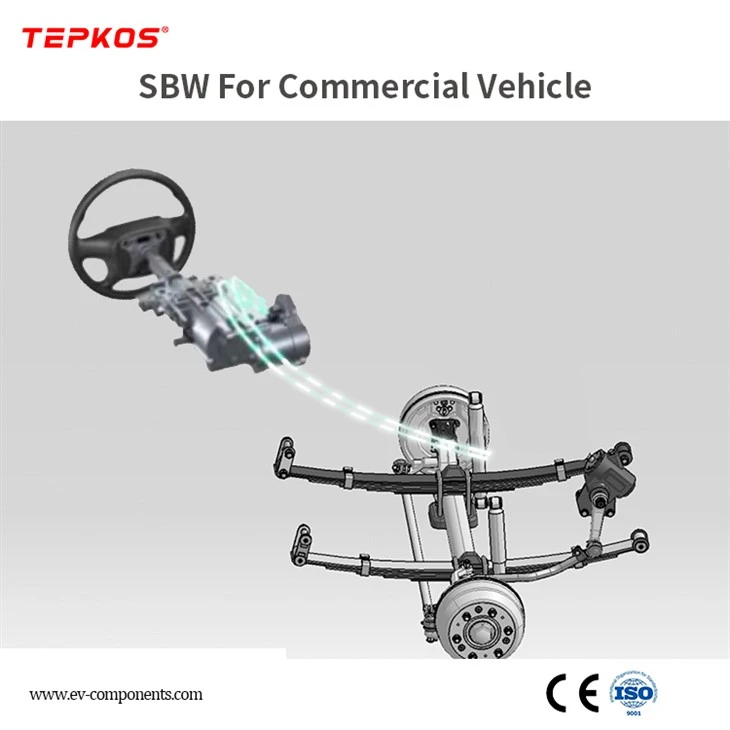
One of the main concerns with SBW systems is the lack of a direct mechanical connection. In a traditional steering system, if there's an electrical or electronic failure, the mechanical linkage still allows the driver to steer the vehicle to a safe stop. With SBW, backup systems are essential. These backup systems should be able to take over in the event of a primary system failure, ensuring that the vehicle remains steerable.
Reliability also extends to the long - term performance of the system. The components of an SBW system, such as sensors, actuators, and control units, need to be highly durable and resistant to wear and tear. Regular maintenance and software updates are also crucial to keep the system operating at its best. Manufacturers should provide clear guidelines on maintenance schedules and procedures to give users peace of mind. For a comprehensive SBW solution that emphasizes safety and reliability, check out Steer By Wire Steering System.
Performance and Efficiency
In addition to safety and comfort, performance and efficiency are important user acceptance factors. SBW systems have the potential to offer superior performance compared to traditional steering systems. Since they are electronically controlled, they can respond more quickly and accurately to driver inputs. This can result in better handling, especially at high speeds or during sudden maneuvers.
For example, an SBW system can adjust the steering ratio based on the vehicle's speed. At low speeds, a higher steering ratio can be used, making it easier to turn the steering wheel when parking or making tight turns. At high speeds, a lower steering ratio can provide more stability and precision.
Efficiency is another area where SBW systems shine. Traditional power steering systems often rely on hydraulic pumps, which consume engine power and reduce fuel efficiency. In contrast, SBW systems are electrically powered, which can lead to significant fuel savings over time. This not only benefits the environment but also reduces the cost of ownership for the user. If you're interested in a high - performance SBW solution, take a look at Drive By Wire Steering Kit.
Cost - Effectiveness
Cost is always a significant factor in user acceptance. While Steer By Wire Systems offer many advantages, they can be more expensive to develop and manufacture compared to traditional steering systems. This cost is often passed on to the consumer, which can be a deterrent for some users.
However, it's important to consider the long - term cost - effectiveness of SBW systems. As mentioned earlier, the fuel savings from an electrically powered system can offset the initial higher purchase price over time. Additionally, the potential for reduced maintenance costs due to fewer moving parts and the ability to perform remote diagnostics and software updates can also contribute to overall cost savings.
Manufacturers need to find the right balance between offering a high - quality SBW system and keeping the cost competitive. This may involve economies of scale, strategic partnerships with suppliers, and continuous innovation to reduce production costs.
Ease of Use and Integration
The ease of use of an SBW system is crucial for user acceptance. The system should be intuitive and easy to operate, even for drivers who are not tech - savvy. This includes clear and simple controls on the steering wheel and a user - friendly interface on the vehicle's dashboard.
Integration with other vehicle systems is also important. SBW systems can work in conjunction with advanced driver - assistance systems (ADAS) such as lane - keeping assist, adaptive cruise control, and autonomous driving features. For example, the SBW system can communicate with the ADAS to make precise steering adjustments during lane changes or to maintain a safe distance from other vehicles.
Seamless integration also extends to the vehicle's electrical and electronic architecture. The SBW system should be able to communicate effectively with other components such as the engine control unit, transmission control unit, and braking system. This requires a well - designed and standardized communication protocol to ensure reliable and efficient operation.
Regulatory and Legal Considerations
User acceptance of Steer By Wire Systems is also influenced by regulatory and legal factors. Governments around the world are responsible for setting safety standards and regulations for automotive technologies. As SBW systems are relatively new, there may be a lack of clear and comprehensive regulations in some regions.
Manufacturers need to work closely with regulatory bodies to ensure that their SBW systems meet all the necessary safety and performance requirements. This may involve extensive testing and certification processes. Clear and consistent regulations can give users confidence in the safety and legality of the technology.

In addition, liability issues need to be addressed. In the event of an accident involving an SBW system, it may be unclear who is responsible - the manufacturer, the software developer, or the driver. Establishing clear legal frameworks for liability can help protect both users and manufacturers and promote the wider acceptance of SBW systems.
Conclusion
Steer By Wire Systems have the potential to revolutionize the automotive industry, offering numerous benefits in terms of performance, efficiency, and safety. However, for these systems to be widely accepted by users, several factors need to be considered. Familiarity and comfort, safety and reliability, performance and efficiency, cost - effectiveness, ease of use and integration, and regulatory and legal considerations all play a crucial role in determining user acceptance.
As a supplier of Steer By Wire Systems, we are committed to addressing these factors to provide the best possible product for our customers. We understand that the success of our technology depends on the trust and satisfaction of end - users. If you're interested in learning more about our Steer By Wire Systems or are considering a purchase, we invite you to reach out to us for a detailed discussion. Our team of experts is ready to assist you in finding the right solution for your needs.
References
- SAE International. "Steer - By - Wire Systems: Technology and Applications."
- Automotive News. "The Future of Steering: Steer By Wire Systems."
- IEEE Transactions on Intelligent Transportation Systems. "Safety and Reliability Analysis of Steer - By - Wire Systems."