

Hey there! As a supplier of Truck Body Control Modules, I've seen firsthand the differences that exist between modules for different truck models. In this blog, I'm gonna break down these differences and explain why they matter.
1. Physical Design
First off, let's talk about the physical design of Truck Body Control Modules. Different truck models have different layouts and space constraints. For example, a heavy - duty semi - truck has a much larger chassis and more room for components compared to a light - duty pickup truck.
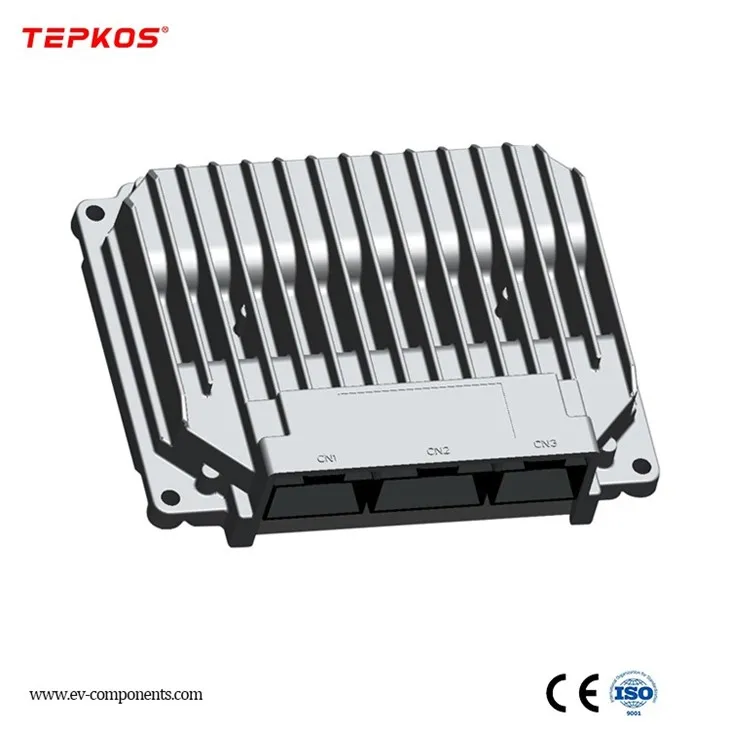
The size of the module can vary significantly. Heavy - duty trucks often require larger modules to handle the more complex electrical systems. These modules might have more pins and connections to interface with a wide range of sensors and actuators. On the other hand, light - duty trucks can get away with smaller, more compact modules. You can check out Truck Body Control Module for more details on the physical aspects of these modules.
The shape of the module also varies. Some are designed to fit in specific compartments within the truck, which are unique to each model. This means that a module designed for one truck might not physically fit into another truck, even if the electrical functions are somewhat similar.

2. Electrical Specifications
The electrical specifications of Truck Body Control Modules are another area where differences are quite evident. Different truck models have different power requirements. Heavy - duty trucks usually operate at higher voltages, often 24 volts, to power all the heavy - duty equipment like large hydraulic systems, powerful lighting, and high - capacity air compressors.
Light - duty trucks, on the other hand, typically run on 12 - volt systems. This difference in voltage means that the internal circuitry of the control modules has to be designed accordingly. A 24 - volt module won't work in a 12 - volt system and vice versa.
The number of input and output channels also varies. Heavy - duty trucks need more channels to control a greater number of functions. For instance, they might have additional channels for controlling multiple trailers, different types of lifting mechanisms, and advanced safety systems. Light - duty trucks have fewer functions to manage, so they require fewer input and output channels.
3. Software and Functionality
Software is a crucial part of any Truck Body Control Module. Different truck models come with different sets of features and functions, and the software in the control module is tailored to these specific requirements.
For example, a modern heavy - duty truck might have advanced driver assistance systems (ADAS) like lane - keeping assist, adaptive cruise control, and collision avoidance. The control module for such a truck needs to have software that can process data from multiple sensors, such as cameras and radar, and make real - time decisions.
In contrast, a basic light - duty truck might only have simple functions like controlling the lights, wipers, and door locks. The software in its control module is much less complex. You can learn more about the software aspects of these modules on Auto Body Control Module.
The communication protocols used by the modules also differ. Some trucks use the Controller Area Network (CAN) protocol, while others might use different proprietary protocols. This means that the modules need to be compatible with the specific communication protocol of the truck model they are designed for.
4. Compatibility with Other Components
Truck Body Control Modules need to be compatible with other components in the truck. Different truck models have different sets of sensors, actuators, and other electrical components.
For example, the sensors used in a heavy - duty truck's braking system might be different from those in a light - duty truck. The control module has to be able to interface with these specific sensors to ensure proper operation.
The actuators, such as the ones used for opening and closing doors or controlling the HVAC system, also vary between truck models. The control module needs to send the right signals to these actuators to make them work correctly. If you're interested in the compatibility of these modules with other auto parts, check out Bcm Auto Parts.
5. Durability and Reliability Requirements
Heavy - duty trucks are often used in more demanding environments. They might be driven on rough terrains, in extreme weather conditions, and for long hours. As a result, the Truck Body Control Modules for heavy - duty trucks need to be more durable and reliable.
These modules are usually built with higher - quality materials and better protection against dust, moisture, and vibrations. They also need to have redundant systems in case of component failure to ensure the safety and continuous operation of the truck.
Light - duty trucks, while still requiring reliable modules, don't face the same level of extreme conditions. So, the durability requirements for their control modules are relatively lower.
Why These Differences Matter
Understanding these differences is crucial for both truck manufacturers and end - users. For manufacturers, using the right control module for each truck model ensures optimal performance and reliability. It also helps in reducing production costs by using the most appropriate components.
For end - users, having a control module that is specifically designed for their truck model means better functionality, fewer breakdowns, and lower maintenance costs.
If you're in the market for a Truck Body Control Module, it's important to choose one that is compatible with your truck model. Whether you're a truck fleet owner, a mechanic, or an individual truck owner, getting the right module can make a big difference in the performance and longevity of your truck.
If you have any questions about our Truck Body Control Modules or want to discuss a potential purchase, feel free to reach out. We're here to help you find the perfect module for your truck.
References
- Automotive Electrical Systems Handbook
- Truck Manufacturing Industry Reports