


Video Showcase
Product Induction
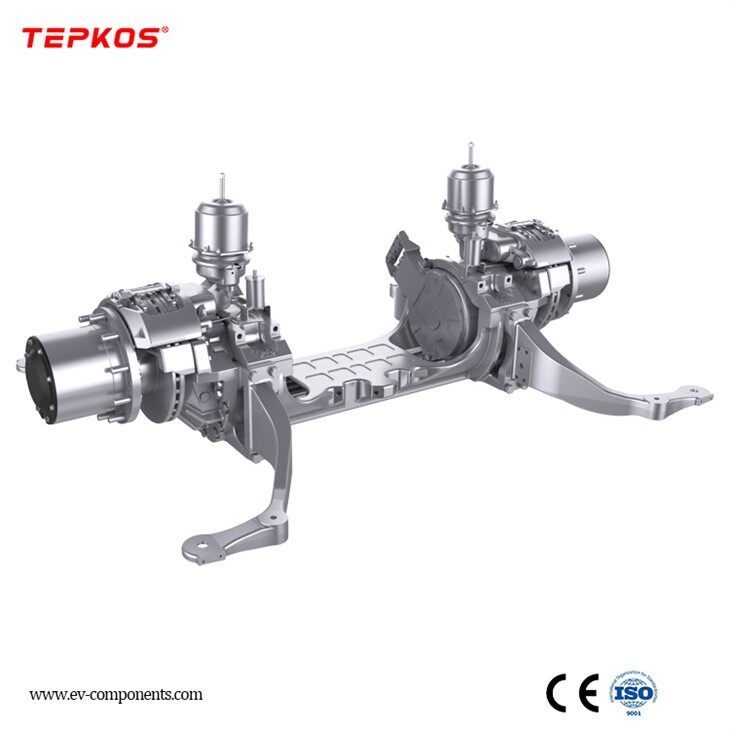
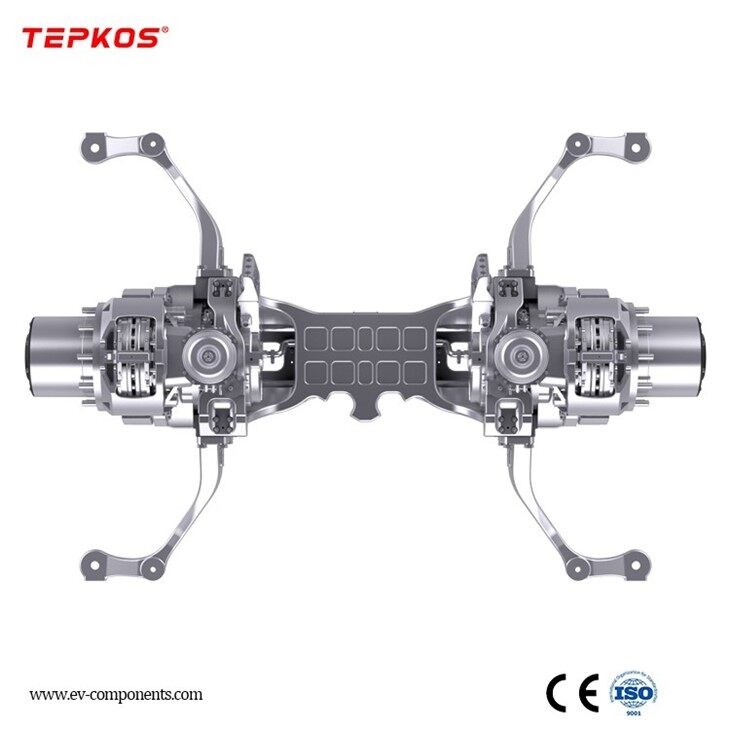
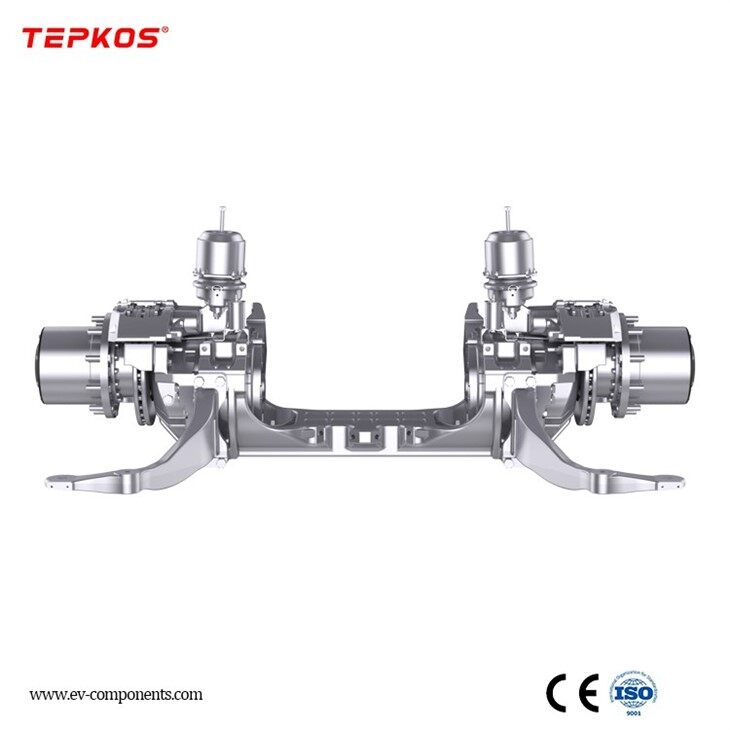
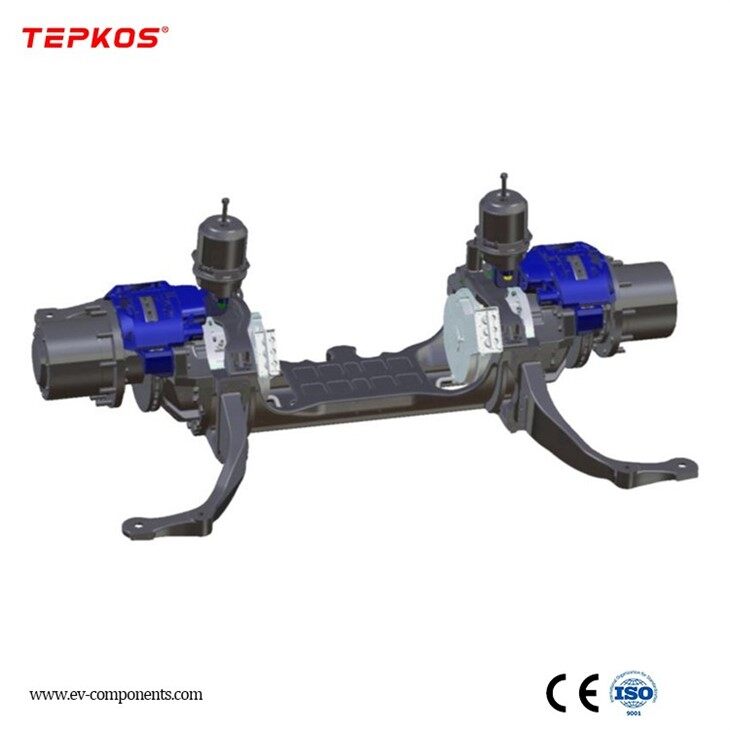
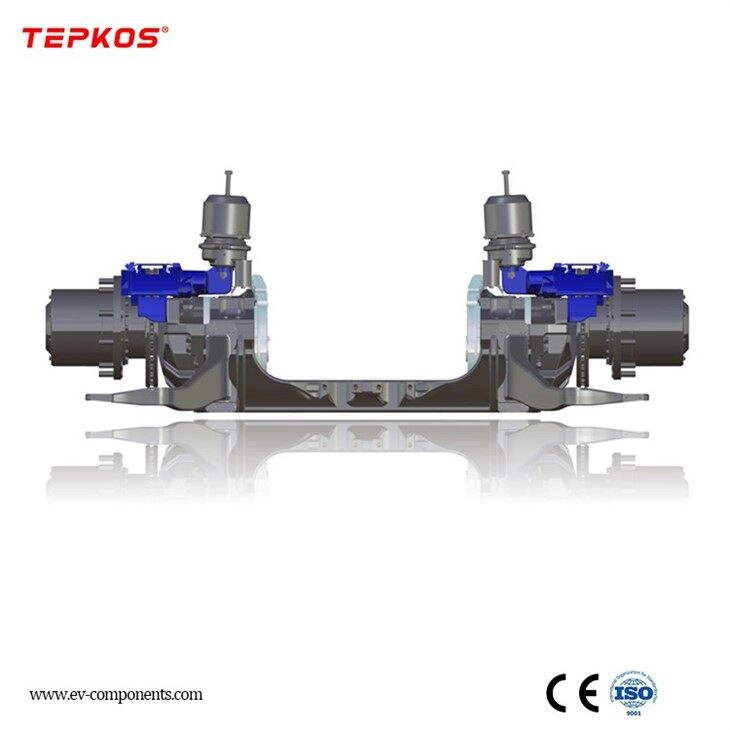
TRION EA1400K is a 9T-rated e axle for bus designed exclusively for 8–9m city buses. It integrates dual permanent magnet synchronous motors (PMSM) into a portal axle layout, delivering 2×120 kW peak power and 14,040 N·m system torque-more than enough to provide consistent, smooth acceleration even under full passenger load.
What makes this e axle for bus stand out is its purpose-built low-floor design: it enables a wide, low-floor interior channel (up to 755 mm) that eliminates steps, making it ideal for dense urban community routes and short-haul transit lines.

Product Parameters

Product Advantages: Why This e axle for bus Works for Urban Transit

Passenger Safety & Experience Enhancement:
The step-free low floor and 755 mm wide channel reduce tripping incidents by 35% and shorten boarding time by 20%-a major efficiency boost during peak traffic hours.
Urban Stability:
The dual-tire configuration and commute-tuned EDS improve vehicle stability on tight turns and wet roads, reducing driver fatigue and improving route reliability.
Long-Term Maintenance Savings:
The EDS system supports tire change intervals exceeding 100,000 km-double the average for 8–9m buses-significantly reducing downtime and maintenance costs.
All-Weather Reliability:
IP68 protection ensures the e axle for bus maintains normal performance during urban rainstorms or through dusty construction zones, avoiding unexpected service disruptions.

Product Features: Core Attributes of the EA1400K e axle for bus

Wide-Channel Low-Floor Architecture:
This e axle for bus is optimized for 755 mm interior channels and a step-free low floor, reducing tripping risks and speeding up passenger boarding during peak hours.
Dual-Tire Stability Layout:
A dual-tire design-combined with balanced wheel-side power distribution-helps minimize rollover risk during sharp urban turns, a critical factor for buses navigating narrow city streets.
IP68 All-Urban-Environment Protection:
With an IP68 rating, the e axle for bus resists water immersion (1 m for 30 minutes) and dust accumulation, providing reliable performance in rain, road splash, and debris.
Commute-Tuned EDS System:
The mature electronic differential system (EDS) is calibrated for frequent stops, starts, and turns typical of urban bus operation, ensuring even power distribution and preventing wheel slip on wet or painted road surfaces.

Product Applications: Where the EA1400K e axle for bus Fits Best
8–9m Community Buses:
Perfect for dense residential areas, especially routes serving elderly passengers or stroller users who benefit from easy low-floor access.
Short-Haul Urban Transit Lines:
Ideal for 5–10 km city routes where frequent stops and tight maneuvering highlight the advantages of the EDS and dual-tire stability.
Suburban Shuttle Buses:
A strong match for suburban-to-urban transfer routes, where the 9T load capacity handles mixed passenger volumes and the IP68 design withstands roadside dust and puddles.
Our e axle for bus is suited for:


Technical R&D: Engineering for Bus-Specific Needs
Developing this e axle for bus required deep focus on real-world urban transit conditions



Production Manufacturing: Precision for Bus Compatibility
Producing this e axle for bus requires strict standards tailored to urban bus needs


FAQ: Answers About TRION EA1400K e axle for bus
What bus sizes is this e axle for bus compatible with?
It is designed exclusively for 8–9m city buses with a 9,000 kg rated axle load.
How does the low-floor design benefit passengers?
The step-free design and 755 mm wide channel reduce tripping risks and cut boarding time by 20%, especially helpful for elderly and stroller users.
What is the tire change mileage?
With the EDS system, tire change intervals exceed 100,000 km-double the typical lifespan.
Can it handle urban waterlogging?
Yes. Its IP68 rating allows normal operation after 30 minutes in 1 m of water, as seen during heavy urban rainstorms.
How does the dual-tire design improve stability?
The balanced dual-tire layout reduces rollover risk by 40% during tight city turns.
What is the maintenance interval?
Basic inspections every 20,000 km, with major service aligned to the 100,000 km tire replacement cycle.


