


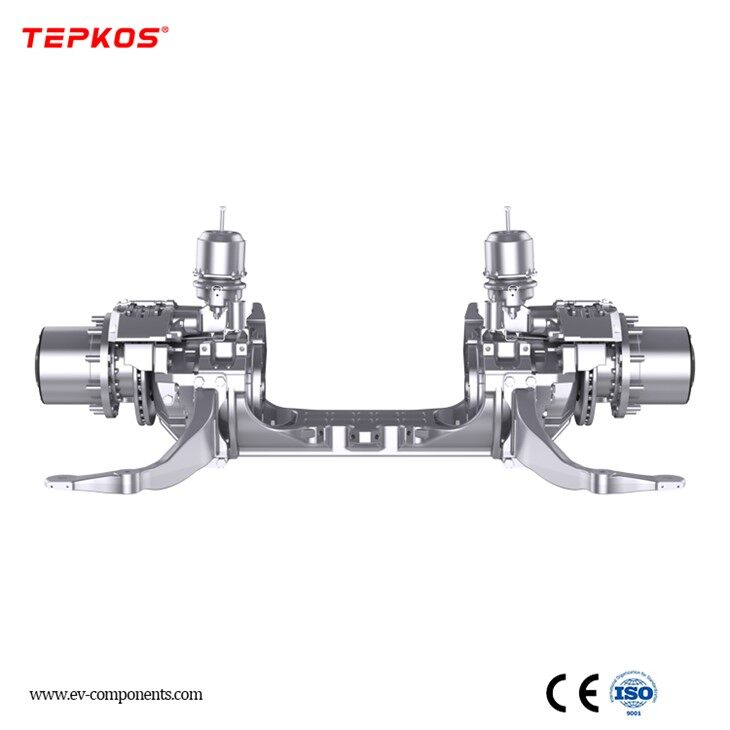
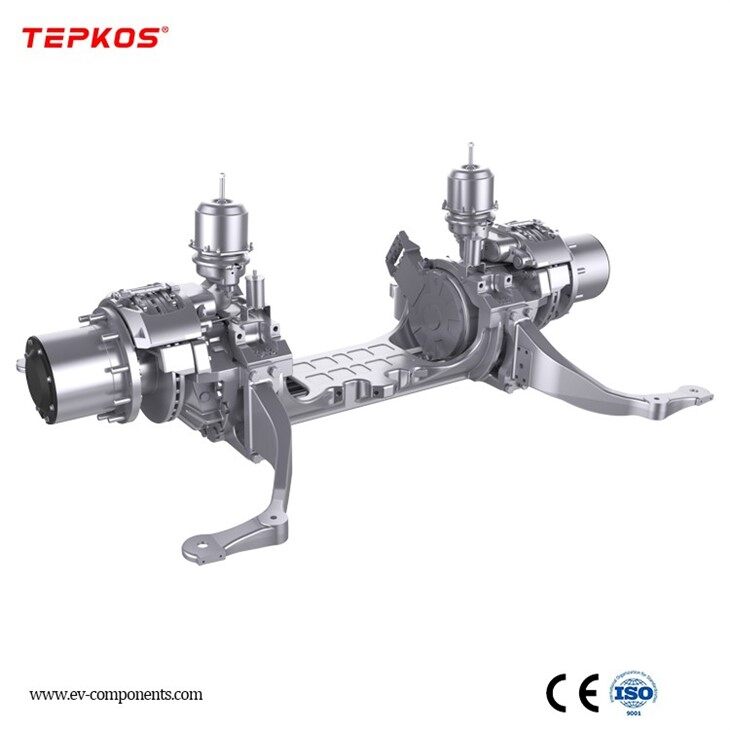
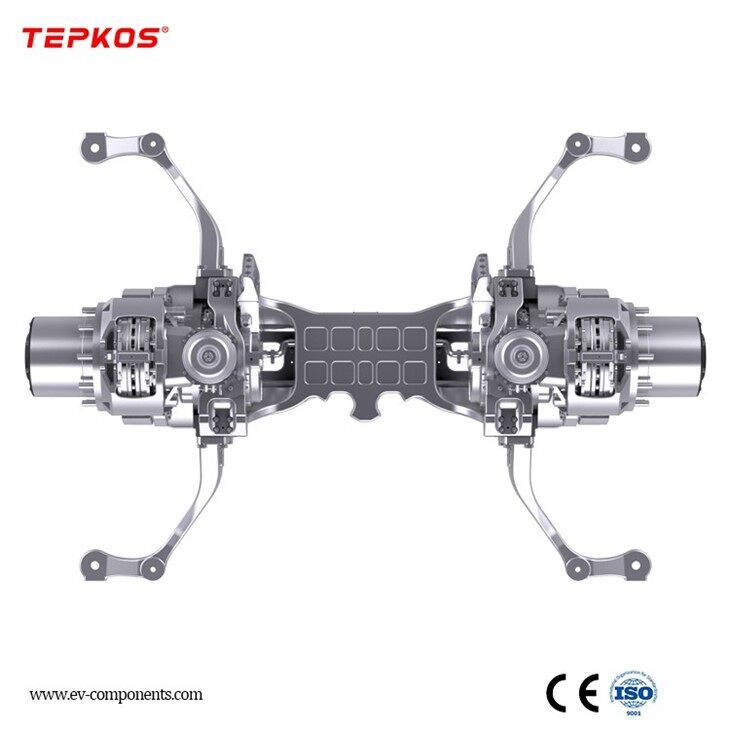
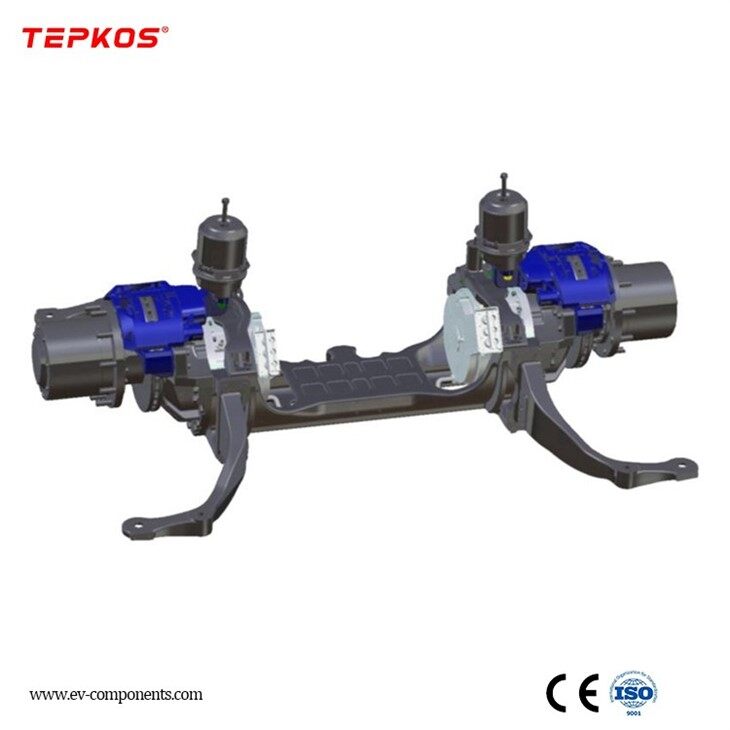
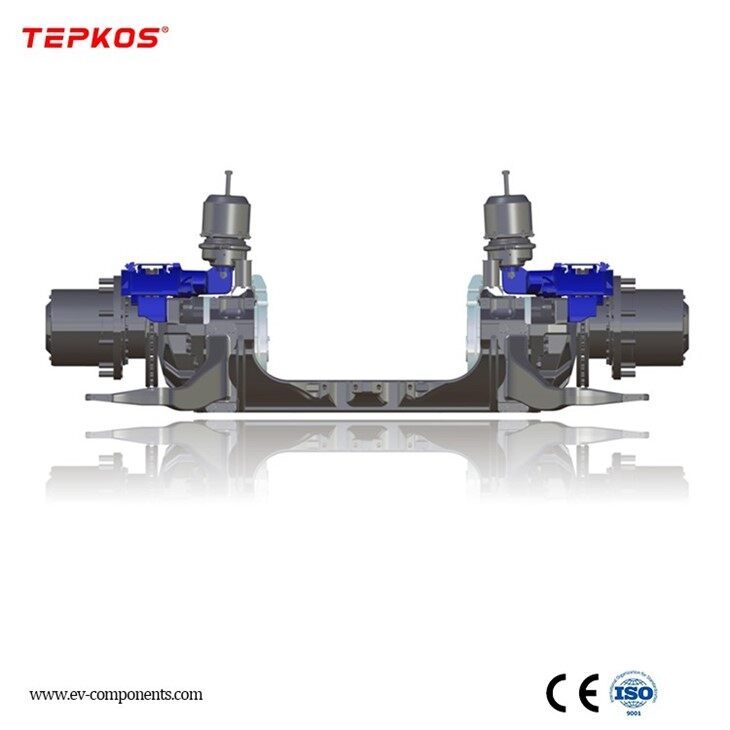
Electric Axle for Bus: Powering Efficient and Safe Urban Transit
For city buses, every detail shapes the rider experience-from how easily passengers board to how reliably the vehicle runs. An electric axle for bus (or bus e axle) isn't just a mechanical upgrade; it's a solution that redefines urban transit's possibilities. Let's explore what these systems are, why they matter, and how they address the real-world challenges of bus operators and manufacturers.
At its core, a bus electric axle is engineered for the chaos of city life-stop-and-go traffic, tight turns, and unpredictable weather. It's not just about going electric; it's about making electric buses work better for everyone.

Electric motors
Permanent magnet synchronous motors, or PMSMs

Reduction gearing
To match motor speed to wheel speed

Power electronics
For motor control and energy management

Sensors
For torque, temperature, and fault monitoring
Bus e axles aren't just for new fleets-they're transforming transit across scenarios:

01
Passenger-First Design
Traditional drivetrains gobble up chassis space, forcing compromises on floor height. Our e axle for bus (like the EA1400K 9T model) enables a low-floor layout with a 755mm interior channel. For a busy city bus, this isn't just about design-it's about getting riders on and off faster, keeping schedules reliable.
02
Power and Stability for Urban Roads
City buses need consistent torque for frequent stops and starts. Our axle with electric motor uses dual permanent magnet synchronous motors (PMSM), delivering 2×120 kW peak power and 14,040 N·m system torque. The dual-tire design adds stability, even when navigating potholes or tight corners-keeping riders comfortable, not rattled.
03
Durability in Tough Conditions
Buses face rain, snow, and grit daily. That's why our electric drive axle boasts an IP68 rating (dust-tight and waterproof). Whether it's a rainy morning or a dusty construction zone nearby, the axle keeps performing without corrosion or short circuits.
04
Long-Haul Reliability
Downtime costs fleets money. Our bus e axles feature a mature Electronic Differential System (EDS), with tire change mileage exceeding 100,000 km. This means fewer trips to the shop and more time moving passengers-keeping buses profitable and riders on time.
Product Categories: Bus E Axles for Diverse Needs
City buses come in all shapes and sizes-so do our e axles. We design electric axles for buses to match different vehicle types, routes, and performance goals:

EA1400K: 9T Electric Portal Axle
Perfect for: 8-9m city buses (ideal for dense urban routes).
Key specs: 2×120 kW peak power, 14,040 N·m torque, IP68 protection.
Standout: Low-floor design with a 755mm interior channel for maximum accessibility.
EA2100N: 13T Electric Portal Axle
Perfect for: 10.5-18m articulated or double-decker buses (heavy loads, high passenger capacity).
Key specs: 2×160 kW peak power, 21,552 N·m torque, E-mark certification.
Standout: Stable performance under heavy loads, with tire life exceeding 100,000 km.

product comparison
| Model |
eA1400K
|
EA2100N
|
| products |
 |
 |
| Rated voltage | 540V | 540V |
| Motor power(peak/rated) | 2×120/2×60KW | 2×160/2×95KW |
| Motor torque(peak/rated) | 2×400/2×145N.m | 2×580/2×220N.m |
| Motor speed(max) | 9500r/min | 8000r/min |
| Axle weight | 850 kgs | 1080 kgs |
| Wheel speed(max) | 540r/min | 430r/min |
| sizes | 22.5 inch | 22.5 inch |
Product Applications: Where Bus E Axles Shine
Bus e axles aren't just for new fleets-they're transforming transit across scenarios:
Urban Commuter Buses
In crowded cities, every second counts. The EA1400K's wide channel and responsive torque make it ideal for routes with high passenger turnover, reducing stop times and improving schedule reliability.


Long-Range Transit Buses
For buses covering 50+ km daily, efficiency is non-negotiable. The EA2100N's high torque and energy-saving design extend range, cutting down on charging frequency and keeping operations smooth.
Specialty Buses (Airport Shuttles, Tour Buses)
Even niche buses need reliability. Our e axle system adapts to different tire sizes and braking setups, ensuring a quiet, smooth ride for tourists or airport passengers.

Technical R&D: Building Better Bus E Axles
Creating a bus electric axle requires solving complex engineering puzzles. Here's how we ensure our axles deliver

Vehicle performance test and simulation

Steer-by-wire test bench

Powertrain performance test bench

Modal test

Transmission reliability test bench

Vehicle calibration test
Production Manufacturing: Quality at Scale
Mass-producing electric axles for buses demands precision. Our facilities blend automation with strict quality checks

Intelligent manufacturing production line

Soundproof test room

Automatic gluing robot

Production management system

EOL test

Finished product delivery
FAQ: Your Bus E Axle Questions Answered
Q1: Can an electric axle for bus be retrofitted into older models?
Yes-but it depends on the chassis. Our team can assess your bus and suggest modifications. For newer designs, our axles often fit as drop-in replacements.
Q2: How often does a bus e axle need maintenance?
Far less than traditional drivetrains. We recommend annual inspections for seals and connections, plus software updates. The EDS and IP68 rating reduce wear and corrosion, so you'll spend less time in the shop.
Q3: Are bus e axles compatible with different battery systems?
Absolutely. Our e axle design works with various battery chemistries and voltages (e.g., 540 VDC in the EA1400K), giving manufacturers flexibility.
Q4: Do bus e axles work in cold climates?
Yes. We test axles in -40°C conditions and include heated components to prevent freezing, ensuring reliable performance in snowy regions.

Why Choose Our Bus E Axles?
For bus manufacturers and operators, the right electric axle for bus isn't just a part-it's a partner in delivering better transit. Our axles balance accessibility, efficiency, and durability, all while integrating seamlessly into modern bus designs.


