

For teams managing automotive supply chains, complexity is the enemy. Different vehicle models, varying RF component requirements, and the risk of incompatible parts can slow production, raise costs, and lead to delays. This is where fakra cable assembly shines: as a globally recognized standard (developed by the German FachKReis Automobile group), it eliminates guesswork and creates consistency across every stage of the supply chain.
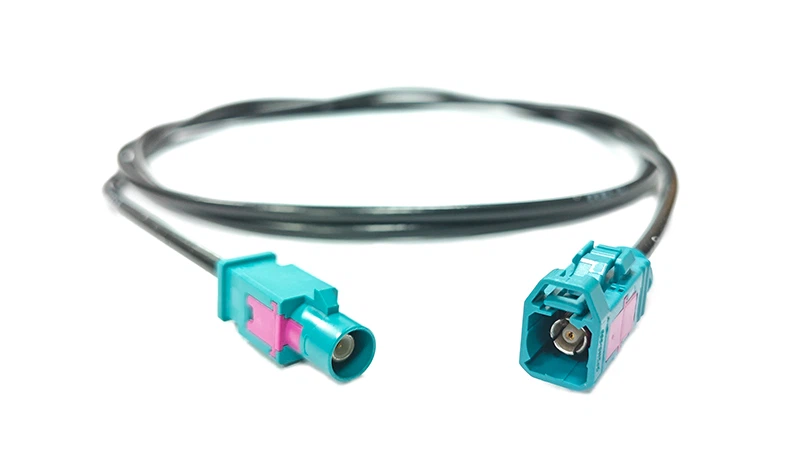
First, standardization means compatibility. A fakra cable assembly designed for a compact hatchback's radio antenna can also work for a full-size SUV's GPS module-no need to redesign or source entirely new components for each model. This simplifies inventory: instead of stocking a dozen different RF cables, teams can rely on a single Fakra-based lineup, cutting storage costs by up to 40% (based on feedback from our automotive partners).

Engineering time is another win. When components follow a standard, validating their performance becomes faster. Teams don't have to run new tests for every vehicle model-they know fakra cable assembly meets strict RF and durability requirements out of the box. For example, a mid-size automotive team recently reduced their RF component validation time by 25% after switching to fakra cable assembly, freeing up resources to focus on new features like 5G connectivity.
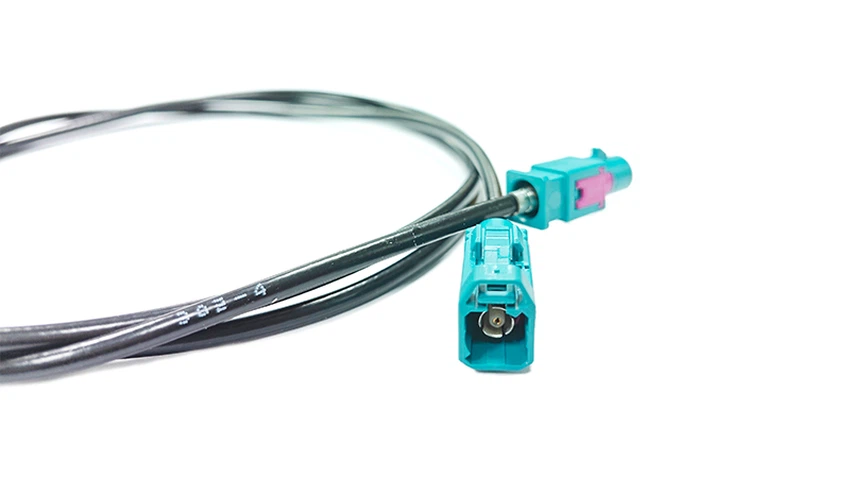
And standardization doesn't mean sacrificing customization. Fakra cable assembly still supports tailored lengths (from 0.5m to 5m+), connector brands like Rosenberger, and wire types such as Leoni 302-4/462. It's the best of both worlds: the consistency of a standard, with the flexibility to fit unique vehicle designs.

For supply chains stretched thin by complexity, fakra cable assembly is the simplification tool they need-turning chaos into consistency.
