What Are the Differences Between Electric Power Steering (EPS) and Hydraulic Power Steering (HPS) Systems?
Electric Power Steering (EPS) systems and Hydraulic Power Steering (HPS) systems differ significantly in several aspects, including power source, operating principle, structural composition, and energy consumption performance.
EPS systems use an electric motor to provide steering assistance, with the vehicle's battery serving as the power source. The motor consumes electricity only when steering assistance is required, which makes EPS systems more energy-efficient. In addition, EPS systems are capable of adjusting the assist torque according to vehicle speed, thereby improving driving comfort and safety. In contrast, HPS systems rely on hydraulic pressure generated by a pump driven by the engine to provide steering assistance. Although HPS systems cannot vary the level of assistance based on vehicle speed, they offer precise control and direct road feedback, delivering a more natural and engaging steering feel.
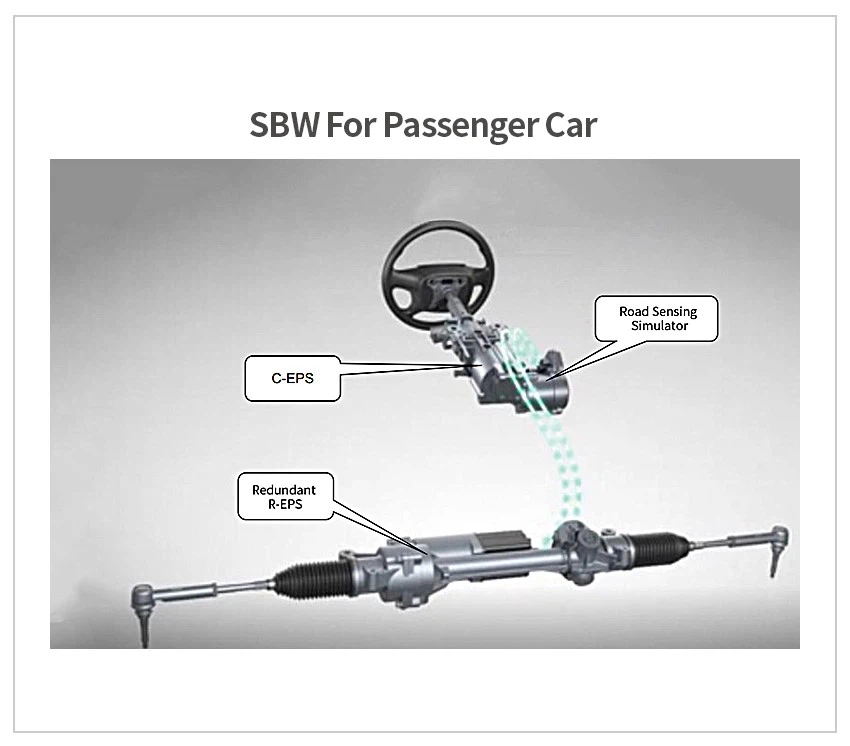
From a structural perspective, EPS systems eliminate complex components such as hydraulic pipelines and fluid reservoirs, resulting in a relatively simple and compact structure. Their core components mainly include an electric motor and a torque sensor, which work together to generate the required steering assistance. By comparison, HPS systems consist primarily of a hydraulic pump, oil pipes, and control valves. This configuration is more complex and requires a larger installation space.
In terms of energy consumption, EPS systems have a clear advantage. Because they only consume electrical power when assistance is needed, they do not impose an additional continuous load on the engine, which helps reduce overall vehicle energy consumption. HPS systems, on the other hand, require the engine to continuously drive the hydraulic pump, inevitably consuming a portion of engine power and slightly reducing fuel efficiency.
Steering assistance performance at different vehicle speeds also differs significantly between the two systems. EPS systems can dynamically adjust assistance based on speed-providing stronger assistance at low speeds to make steering easier, and reducing assistance at high speeds to improve steering stability and driving safety. Although HPS systems cannot automatically adjust assistance according to vehicle speed, they provide strong steering force, direct road feedback, and excellent control precision.
In summary, both steering systems have their own advantages. EPS systems, with their energy efficiency and intelligent control capabilities, are more aligned with the development trends of modern automobiles. Meanwhile, HPS systems remain relevant in certain vehicle models due to their maturity, reliability, and precise steering characteristics. When choosing a vehicle, consumers can select the most suitable power steering system based on their personal driving preferences and usage requirements.